A Cultural Autopsy of Japan, or Travel Diary 3: Tokyo and Closing
Of the Japan series, in the first piece we were guests of Osaka, and in the second piece of Kyoto. In this piece, though, we'll be guests of Tokyo. In Tokyo we'll talk about the subways, the Tokyo Mosque and the Muslims there, the pleasant anime girls we ran into in Akihabara, the immigrants who have lived here for years, and the museums — and then we'll put a period on the Japanese adventure. Right this way, please.
TOKYO
After a 2-hour-10-minute journey from Kyoto by Shinkansen, we set foot in Tokyo. It was nice to catch a glimpse of Mount Fuji in the distance along the way.
The moment we arrived in Tokyo and stepped out of the subway, the first thing we ran into was a sea of people. We recalled, with a bitter smile, the moments in Osaka and Kyoto when we'd grown used to the calm and said, "where are those subways they cram people into?" Anyway, we found our way through the human tide and settled into our hotel. We immediately found a halal restaurant and had a meal, wandered the streets of Tokyo a bit, and headed back to the hotel.
Our plans for the next day were set. Since it was Friday, we'd be going to the Tokyo Mosque. That's how we'd planned it from the very start, in any case.
The Tokyo Mosque and Contact with Muslims
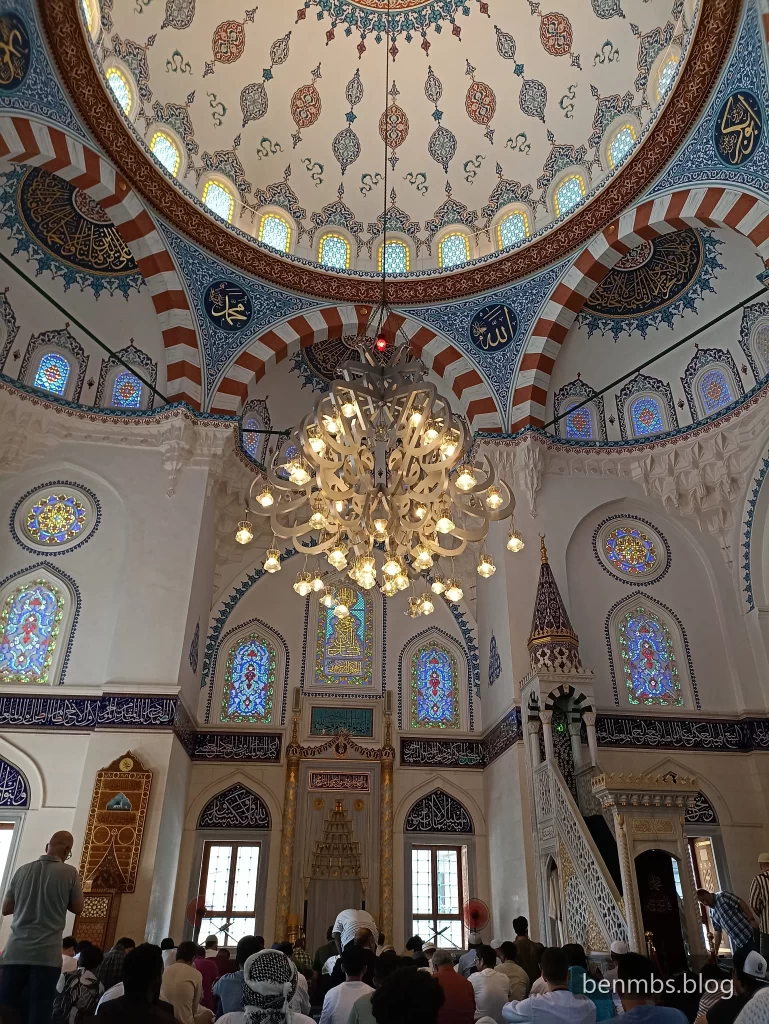
The Tokyo Mosque, from the inside
The Tokyo Mosque was designed as a complex. Alongside its classical Turkish architecture, it's a complex that houses a halal market, classrooms, a large hall, and a small library. We felt we'd finally caught a good opportunity, so we made straight for the imam's office and struck up a pleasant conversation with him. I lined up my questions.
According to the imam, one of the things most effective in bringing Japanese people to Islam is that one of the first verses revealed was "read," and another was "keep your garment clean." These verses apparently strike a chord with the Japanese. Many become Muslim through marriage; some manage to leave behind habits carried over from Shintoism, others can't, and so on. Let's take up our conversation with the imam in detail in another piece, God willing.
After the prayer, we also had a chat with Eren, who'd come here to do research. According to him, the Japanese aren't actually as polite and open-minded as people assume. Because a gesture that strikes us as very polite can actually be fairly unpleasant to a Japanese person. In other words, some Japanese people can be less polite toward us Muslims, or toward foreigners in general.
Again according to Eren, a significant portion of the Japanese who become Muslim do so through marriage. They struggle because alcohol sits at the center of their lives, and so on. The Japanese, he said, aren't especially religious people either. And according to Eren, people who come here to do research out of an admiration for Japan can't really be objective about it. In fact, xenophobia and Islamophobia exist here too.
After Friday prayers, we also had a brief chat with a Japanese brother who had been Catholic before becoming Muslim. Brother Münir had previously spent time in Egypt and Turkey. He became Muslim afterward. When he returned to Japan, he started coming to the mosque and began working here. He was never Shintoist or Buddhist. So I never did get an answer to the question I was curious about — I never found out whether, coming from a background of the original Japanese Kami, one can really grasp our God. Since Brother Münir grew up within a Christian culture, he presumably didn't struggle to understand Islam. By his own account, his life found its meaning through Islam. For him, once monotheism clicked into place, everything else fell into place and found meaning too. He wanted to move to Turkey when a suitable opportunity arose, because he found it difficult to live out Islam in Japan.
Another observation of ours about the mosque is that it was built in classical Turkish architectural style — a Turkish mosque in the fullest sense. How do we know? From the fact that the women's section is dingy, run-down, cramped, and stuffy. According to Aze, it's so cramped that there are women who can't even manage to prostrate fully. There's overcrowding, the rows can't be kept straight, and so on. This was my first experience abroad, but according to Aze and her family, nowhere else in the world are women excluded from the mosque quite this much.
Museums
The next day we went to a place called Ueno. There's a large park here, and around the park there are many museums — maybe 10. And around that there might be another 15 museums. We went into the Science and Nature Museum here. The museum has deer, fish, strange animals, bacteria, plants, butterflies, all sorts of creatures. It's a 4-story building with large exhibition halls. In short, it was quite lovely. We're thinking of coming back in 10 years with kids :D
We could tell from the crowds that the Japanese have a real museum culture. Because I'd never before seen any museum this crowded, this overflowing with families — Topkapı included. It was a Saturday, and both inside and outside were packed with children, families, and young couples. All Japanese. We don't have anything like this culture. I, for one, don't remember ever saying "let's go to a museum" on some random weekend. Yes, we've visited plenty of museums, but mostly during long holidays — I've never gone with this kind of devotion. These people seem different. Another interesting thing was how remarkably well-behaved the children were. Back home, the little rascals would climb onto the dinosaur bones and go "giddy-up"; here, the parents just sit back while the kids calmly wander around reading the placards and so on. Very different.
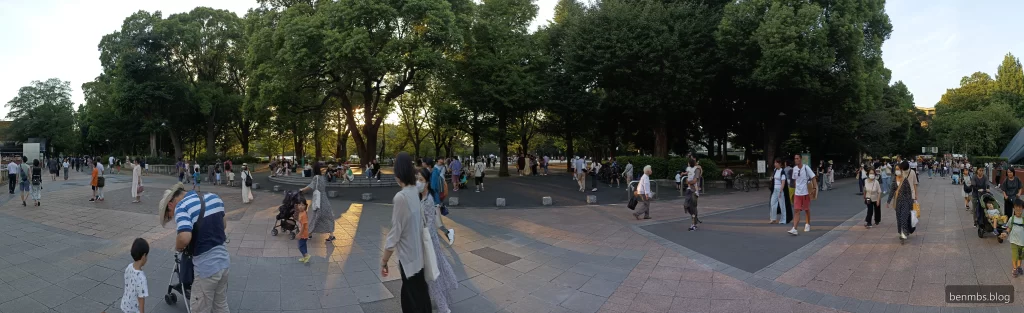 The Japanese people returning from their museum pilgrimage.
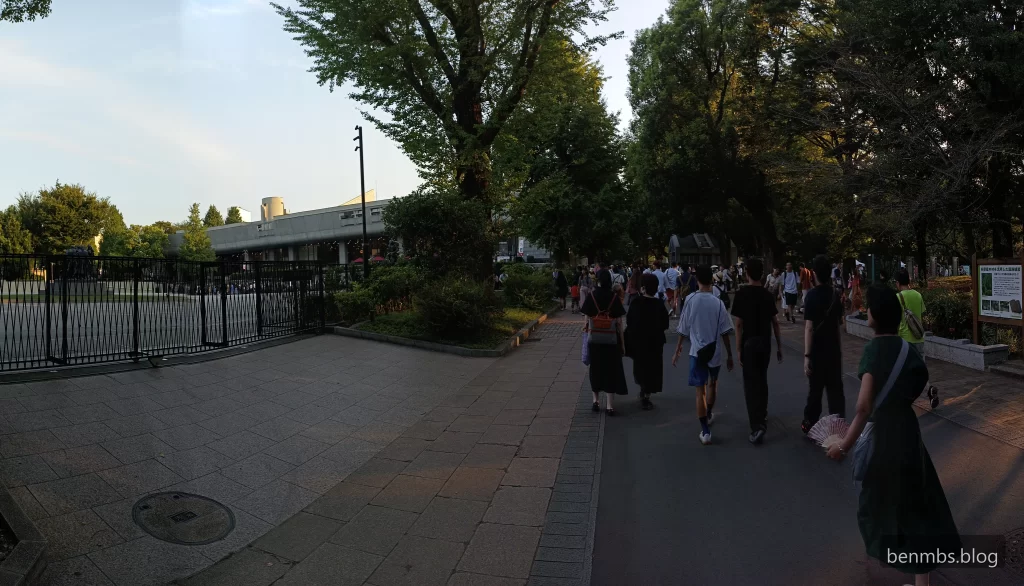 The Japanese people returning from their museum pilgrimage.
The sheer number of museums in the city seems to confirm this theory of mine, because when we got bored in Tokyo and decided to go museum-hopping, and I asked the map to show me the museums, it showed me maybe hundreds of them. We were stunned.
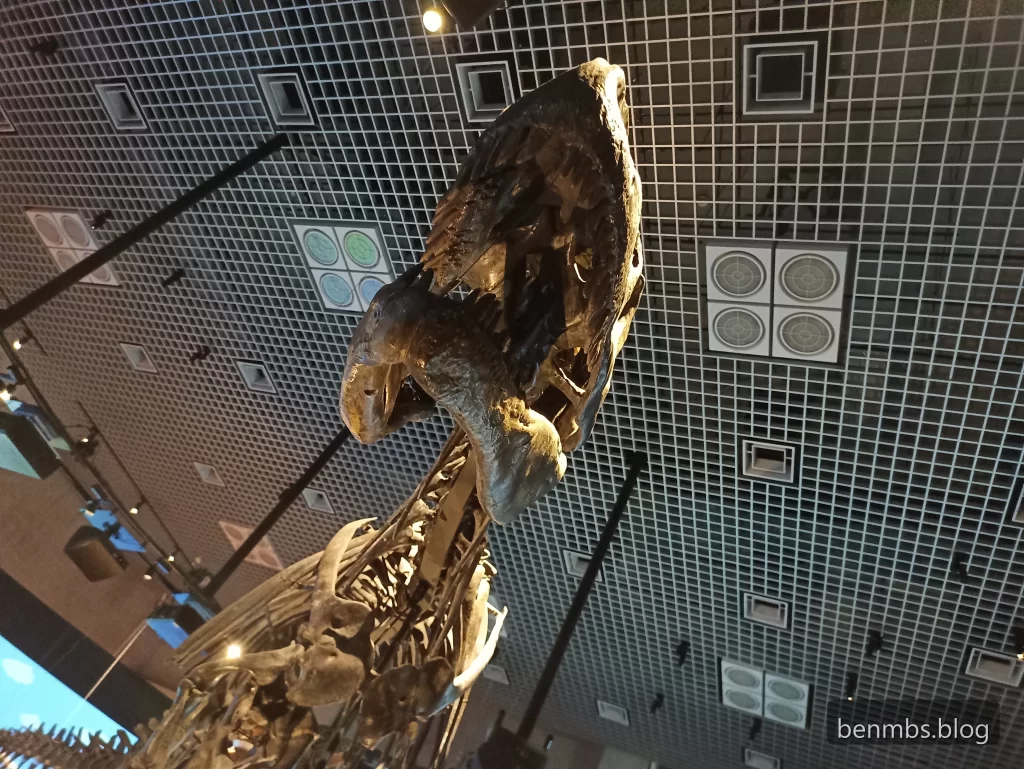 A dinosaur jaw
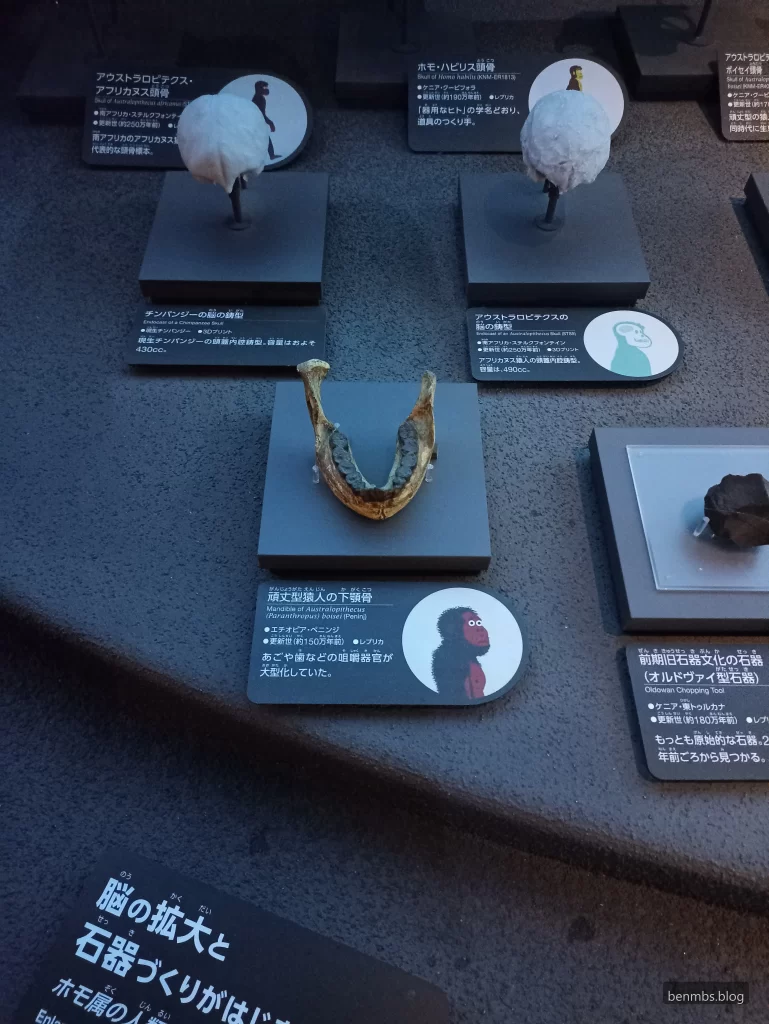 A Neanderthal jaw
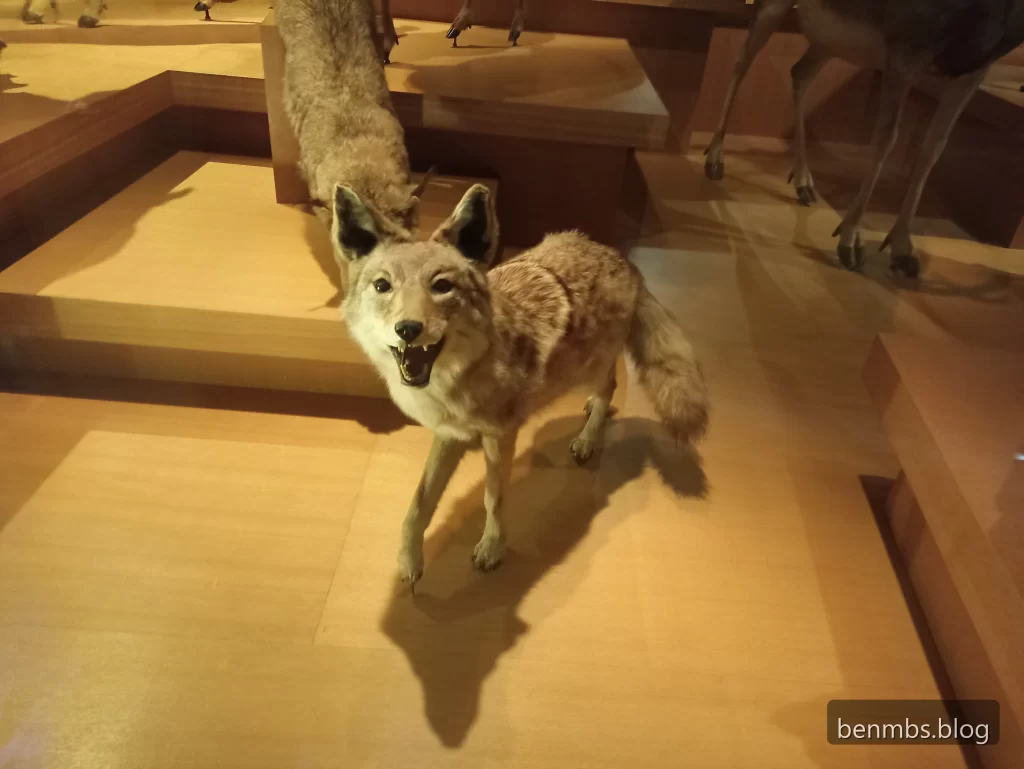 A wolf cub
Akihabara
After leaving the museum, we headed to Akihabara, the technology hub. We thought maybe something would catch our eye, and besides, it's customary to go take a look. When we got to Akihabara we started to doubt whether we were in the right place, because what greeted us wasn't robot vacuum cleaners but anime girls. Picture a street the length of a major avenue. On the sidewalks on both sides, spaced about two meters apart, are girls dressed up as anime characters, waving. At first we figured they'd thin out soon, but the farther we walked, the more there were — if anything, they increased. We cross the street, the light changes, and so on — same thing, nothing changes. I couldn't help but grow suspicious, thinking these young ladies must have a pimp somewhere, and that we should probably get away from here — but at the same time, we were curious. We decided to talk to one of them. We went up to the most normally dressed girl among them and asked. We said, "miss, what's the deal with you all?" It turned out the deal was this: these girls aren't escorts. What they do is act as a kind of agony aunt (in Turkish we'd call her a "Güzin Abla") for Japanese men. They go out to eat together, maybe give a massage, and meanwhile the men pour out their troubles to them. Because these men apparently don't have much of an active social life, or any setting in which to meet others going through the same thing. At first it didn't sound convincing, but once I got consistent answers to my various follow-up questions (don't tourists get "services" from you, do you only eat together, and so on), I was won over. It's a genuinely interesting line of work.
The next day we kept wandering the streets of Tokyo and met a döner-seller from Erzurum. I was glad to have the chance to ask him my questions, naturally. He said he'd been here 22 years, had a Japanese wife, and 4 children. He says it's hard to get along with a Japanese spouse. They're very principled, he said — if you're 15 minutes late getting home, a fight breaks out; once you have a child, the beds get separated and the wife devotes herself entirely to the child. Once they become Muslim, they apparently live this out to perfection — extremely rule-bound. They come to Turkey every 3 to 4 years, and so on. Thinking about it, I suppose we understand why the Japanese don't have children. They just don't have kids — why would a man or a woman go looking for trouble when they don't have to? What's the point, brother?
***
Anyway, there's no need to drag out and drown a piece that's already run long enough. Our Tokyo trip was longer than it needed to be for us. But in every respect it was a good trip — instructive, and something that helped us discover ourselves.
Let's close the subject of Tokyo here and move on to the closing section.
GENERAL NOTES ON JAPAN
Summary
First let me share our general impressions of Japan, the Japanese, and the temples; we'll get to our feelings and thoughts about the individual cities afterward.
Even though we've touched on this here and there in this piece and in previous Japan pieces, repeating it here won't hurt. Chief among the things that struck us most about Japan and the Japanese people were their rule-boundedness and their loneliness. So much so that even 2-year-old children understand prohibition signs perfectly well, and can even warn their own parents about them.
On the subject of loneliness, the elderly people eating alone at tiny little tables, and the anime girls lined up along the street in Akihabara, will make a fitting example… How lonely can a country be? Lonely enough that people pay a costumed girl just to be able to eat a meal and have a conversation. It's painful…
Another interesting point was how obsessed the women were with whiteness.
***
The trip was instructive for us. It was a chance for us to discover ourselves. For instance, it turns out we're not really city or metropolis people. Browsing a store or a mall is only something we'd choose to do if it let us observe life. I also discovered, thanks to this trip, that I love traveling. What are people doing in a completely different land? Who lives there? What kinds of lives are there? These questions, it turns out, genuinely interest me.
Other countries are fascinating. Most of the time I felt like I was in a Star Wars film. I love films and shows that deal with alternate universes and worlds. Doctor Who could be mentioned too. Here's what I mean: in Star Wars, for instance, there are all these different planets. Light-years and light-years away, some are glacial, some are desert, some are made up of forest — yet there are also things that stay the same across all those planets. There's always a bar, say, where four-eyed, eight-eared green creatures, droids, travelers, and Jedi all sit around and drink. The city has one center, and that's where all the commerce happens. There are police officers. I don't know — this sameness within difference strikes me as strange.
The history of religions and other faiths interest me too, as I came to see thanks to this trip. Before, these kinds of subjects interested me only from a theological angle, purely as a means to an end — that is, I was interested only to the extent that they supplied data for my existing research. But once I stepped into a completely different civilization, I began to be curious about them in and of themselves. That was a new experience for me.
Before this, I never used to be particularly curious about the history of religions or other beliefs. There was a period when I researched esotericism, but even that was entirely goal-oriented. I hadn't developed any special curiosity for understanding other cultures. But once I came here, encountering 120 million people belonging to a different culture and religion clearly changed me.
Another eye-opener for me was seeing just how small our own country actually is. We live in a land where crude nationalism has been pumped into us for years on end — ask us, and we'll act like we could conquer the world — yet clear on the other side of the globe, no one's even heard our name, and maybe no one cares. These people have built an entirely separate system and civilization, and they're living out a completely different experience. To put it politely, I saw that our country has enormous potential, and that the road ahead of it, toward progress, is wide open. In other words, to cut to the chase, I came to see that there's nothing all that special about our country. Here we are letting our own citizens get thrown to the street dogs, while over there they sort their recycling into cardboard and plastic separately… I even found myself thinking that if it weren't for our geopolitical position — if, God forbid, we'd turned out to be some oil-rich country instead — we might well have ended up some absurd half-theocratic, half-dictatorial cross between Azerbaijan and Iran. God knows best who gets what, I suppose…
Supermarkets
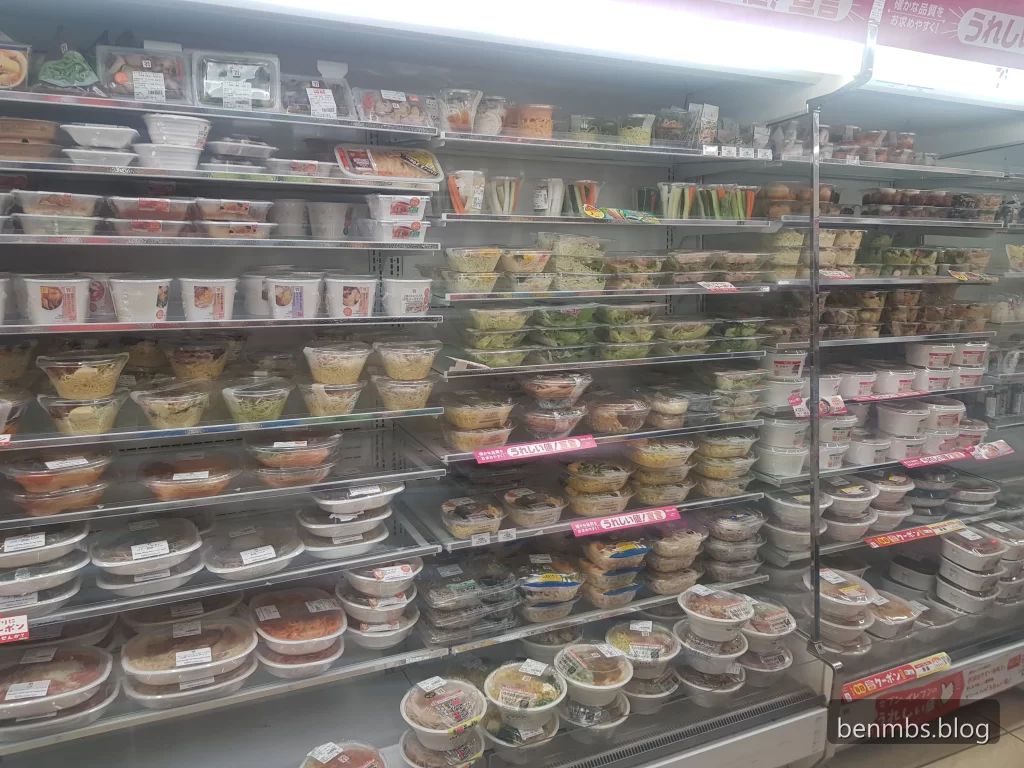 A thousand and one kinds of ready-made meals at the supermarket
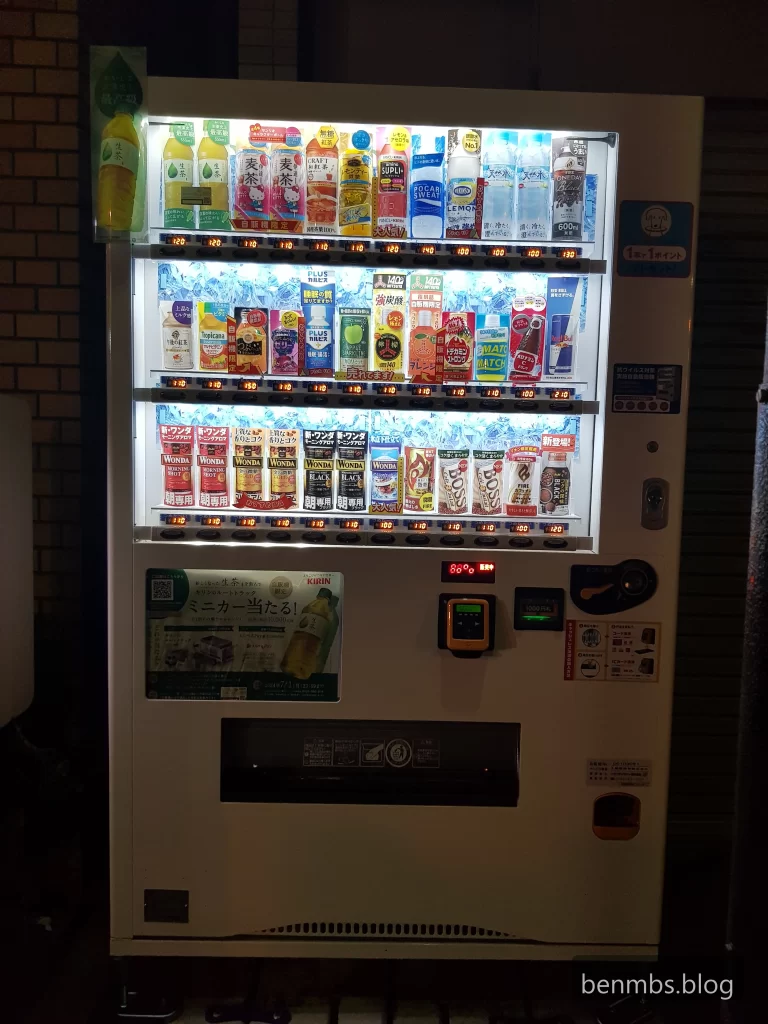 Outdoor Market. Vending machines
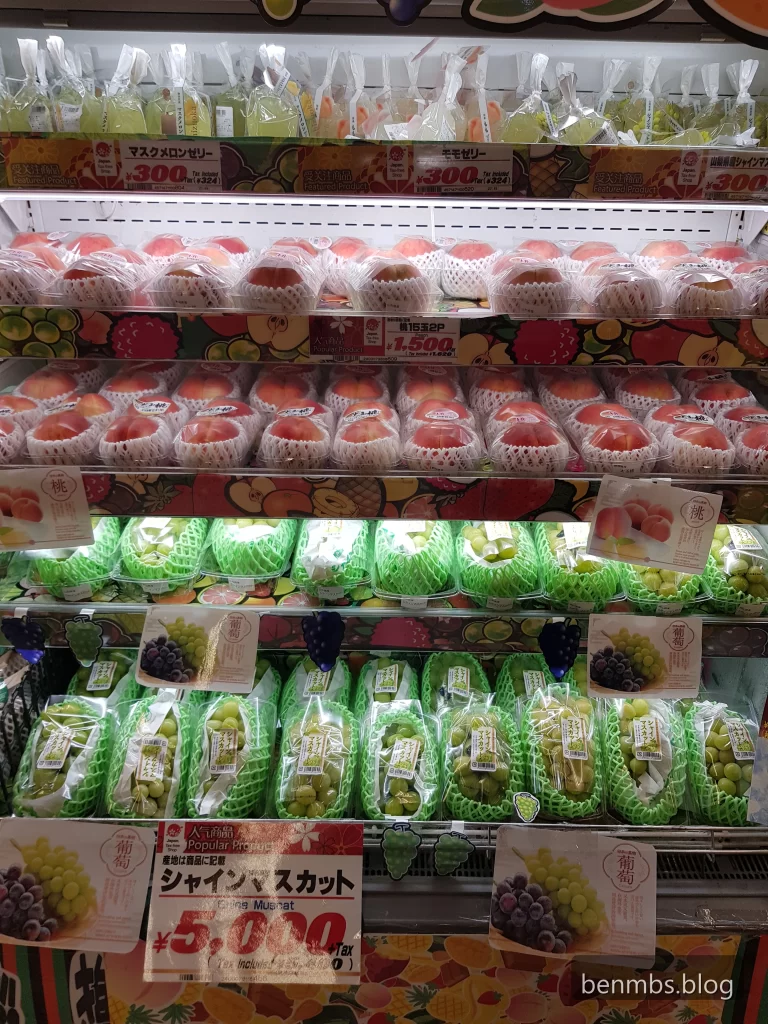 Perfectly symmetrical fruit in the produce section
They have supermarkets on the level of our BİM, ŞOK, and A101 chains. Along with things like ATMs and currency exchange machines, the supermarkets also have small single tables where you can eat what you've bought. It's a nice service, both for cooling off and for grabbing a bite when you're hungry. At first we liked this table-and-chair setup, but after spending a few days in Japan we realized this is actually a service born out of necessity. Here's the thing: as far as we could tell, the Japanese don't eat or drink out on the street. I don't know whether that's considered shameful, but I'm sure another reason is that there are no trash cans on the street. Finding a trash can in Japan is very hard. I can attest to carrying trash around in my hand for 2 kilometers at a stretch. So if someone buys something at the store and chooses to eat it while walking, they'll probably end up carrying that trash around in their hand until evening. That must be why these supermarkets offer this kind of service. Or maybe there's no trash on the streets precisely because the supermarkets offer this service. Who knows?
So here's the situation as I see it. The things we find appealing are actually reasonable solutions to a need these people have. Take the seating areas in the supermarkets, for example — a nice thing, but we don't really need anything like that. We have trash cans everywhere, and people can already eat and drink in the street as it is. And eating or drinking in the street isn't inherently a bad thing in itself. If we had that in a BİM, people would turn it into a café. I'm not saying this to run down our own people — this is just how we socialize. These people don't have friends; even at a café they sit alone, and so on — whereas we're not a nation that eats alone. Put those tables in a BİM and 3-4 people will sit down, eat, drink, chat, and leave — it exceeds its intended purpose, in other words. Could it be tried? It could, but there's just no need. Yes, it's a nice idea, but it's nice only insofar as it answers this particular place's needs. (I later noticed that our own Boldy markets back home were also built in the Japanese style. They're similar both in product variety and in the table-and-chair arrangement. It worked out :))
Don't miss new posts
Join the email list and hear about new writing as it lands.
Subways
Getting used to the subways is hard. It took us a full week to figure them out and get used to them, and by then the trip was basically over. Here's the thing: there are 13 to 14 subway lines run by different companies. They're all interconnected — think of something like an Acıbadem–Marmaray–Sabiha Metro connection, or a Yenikapı–Kirazlı–Hacıosman–Marmaray connection. Almost every subway involves a couple of transfers. The subway stations are two-story affairs — we only noticed this around day 5 or so. We were quite surprised. When you get off the subway, make sure you learn exactly which exit you need, or you might end up walking an unnecessary kilometer. Most of the exits aren't close together the way ours are. One issue with there being different subway lines is that you buy a separate ticket for each one. That gave us a hard time. We finally relaxed a bit once we got an unlimited daily pass.
It would be fair to say that no one talks on the subways at all. There's almost no sound. Strange. There's hardly anyone eating or drinking either. The rare exception here and there…
There was something that appealed to me at first on the subways, something I thought would be nice to have in Turkey too. The seats are like little sofas — fabric, soft, and comfortable. But afterward we realized this too is actually a cultural thing. Here's why: these people don't eat or drink on their subways to begin with, no one causes a ruckus, children sit nicely and quietly, and there's no dust or mud in their streets. If we brought that here to Turkey, those seats would turn filthy within days. Vomit, fruit juice, some unidentifiable wet patch that might be water or might be urine, shoe marks, and so on… Yes, our subways aren't exactly the New York subway, but these people's subway is basically as clean as someone's living room. Those little sofas just wouldn't suit us.
Our subway entrances have huge signs. Here, there's nothing like that. You look, and it turns out a mall is actually also a subway entrance at the same time. Because of this, you might not be able to find the entrance you're looking for. You come straight up out of the subway into the middle of a mall, by elevator or whatever. We found this quite odd at first. But afterward we realized these people simply don't have security concerns. They're not running you through an X-ray machine everywhere you go.
Food and Drink
We had a bit of trouble with food in Japan. If you too prefer halal-slaughtered products, then whatever you order when you go into a restaurant, always make sure to ask "is there meat in this?" Because that innocent-looking pasta dish you picked out so carefully, sifting so meticulously through the menu, can still show up topped with ground meat. It happened to us. Thankfully they swapped it out for free, so it didn't blow a bigger hole in our budget :)
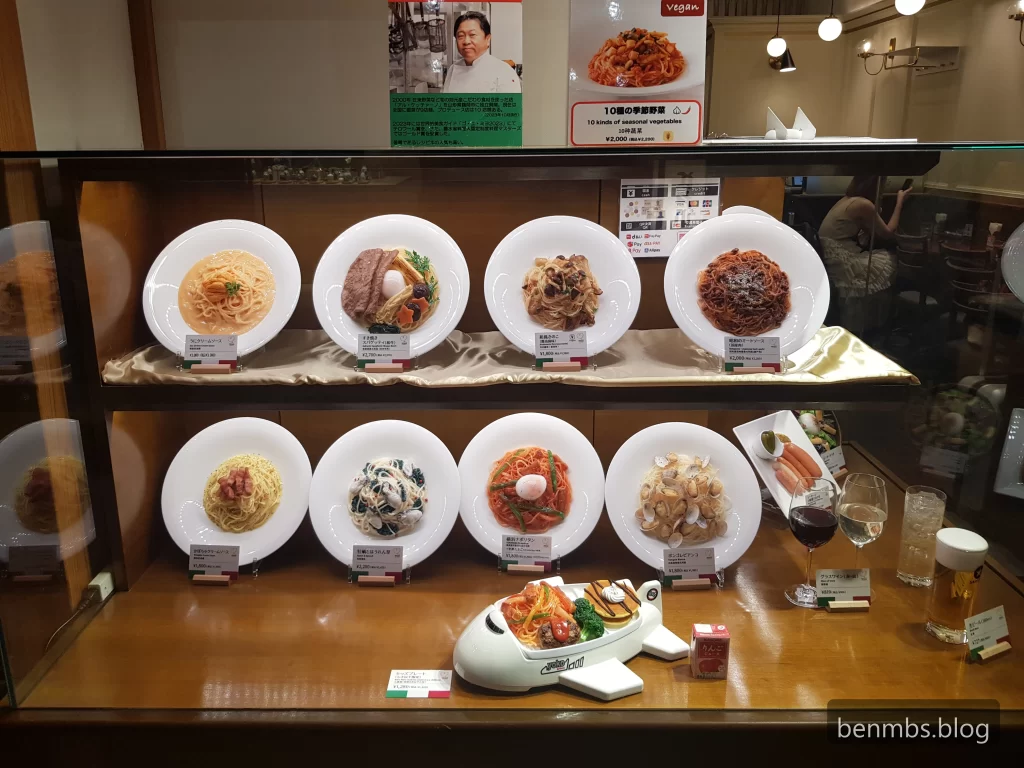 Restaurants have plastic sample menus like this
 A sample menu. It hadn't occurred to me to photograph the actual food.
Security
Unlike back home, every security guard we saw was elderly. Here, young men do this job. You might say these people simply don't need any real defense, and that's why they're just keeping these old gentlemen occupied for something to do — but hold on, is it really MMA fighters we put on security duty back home? We sit some skinny 20-year-old kid down and call him security. Who's afraid of that? What I see, dear readers, is squandered youth… I see an enormous resource going to waste.
Cleanliness
Another oddity we noticed was that we couldn't smell anyone at all. Despite the heat, not a whiff of sweat or perfume ever reached our noses. In Turkey, by contrast, it's often hard to get near men because of sweat, or near women because of perfume.
Benches
Their benches are interesting too. We didn't see benches around the city in general. The only benches we saw were at bus stops, and even those faced inward, toward the enclosed space, rather than outward. Our benches face the open area — the road, the view, and so on. These are a curious people: their backs to the road, their faces to the wall. Different.
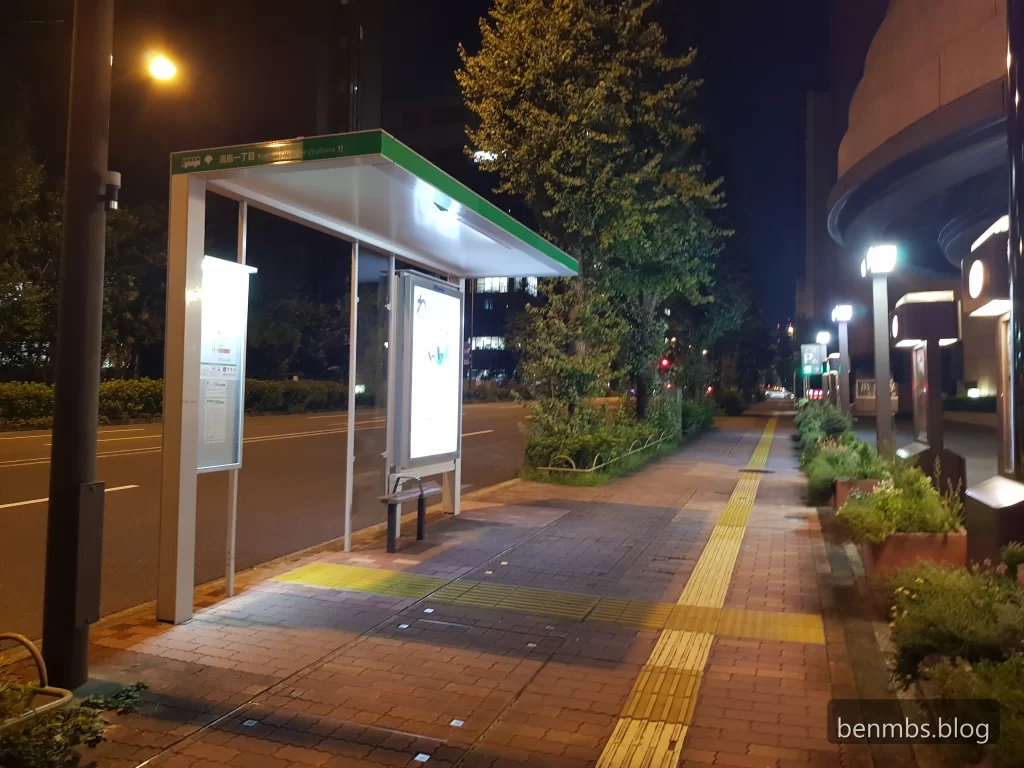 Benches that face inward rather than toward the road
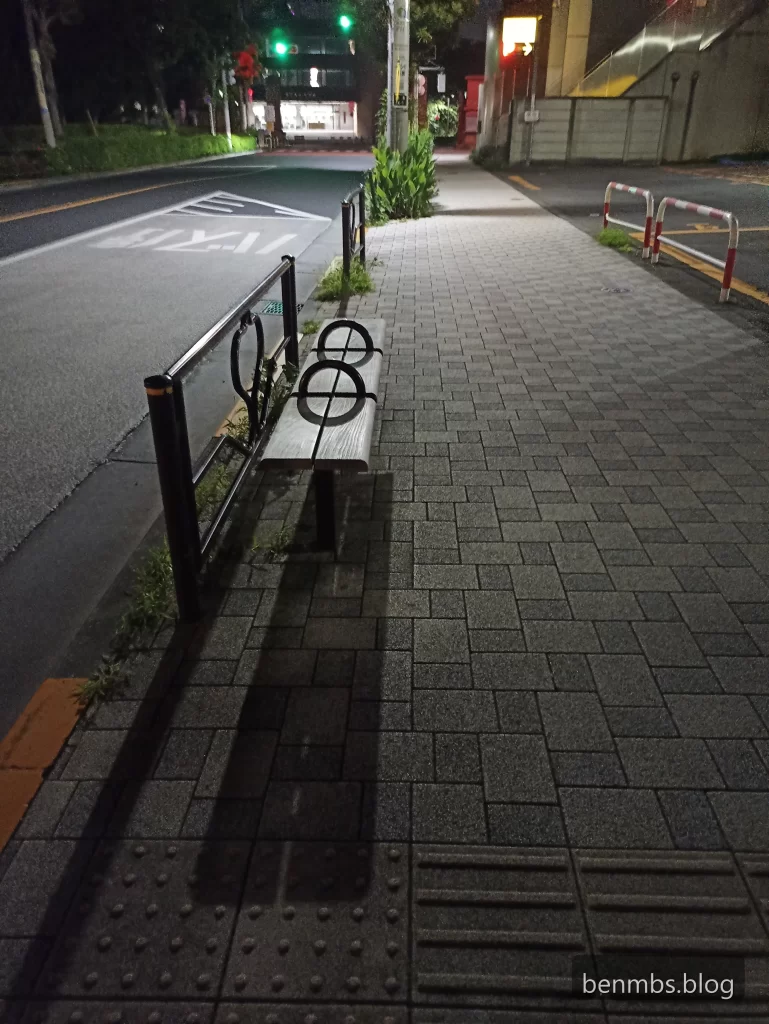 Benches that face inward rather than toward the road
Aesthetic Sensibilities, Nationhood
The Japanese have succeeded in becoming a nation. We, I think, haven't yet managed to become one. We don't share a common set of values, and we hold each other's values in outright hostility. These people, by contrast, seem at peace with their religion and their culture. And alongside that shared set of values, they also seem to have a shared aesthetic sensibility — which I don't think can really be separated from the values. Aesthetics, presumably, is a consequence of value. What I mean by aesthetic sensibility is this: as you walk past some random shop in Kyoto, you can see a trace of Japanese culture in that shop. In fact, you see Japanese culture outright. At the simplest level, the roofs are done in that classical Japanese architectural style. Or the signage, say, calls to mind classical Japanese banners. These are small things, but very precious ones. They say a great deal about the country and its society.
Maybe we can gauge what it says about the country through a comparison like this — these are the thoughts we had while touring Kyoto. So what would a Japanese couple think while touring Istanbul? Let's say they don't see Aksaray or Şirinevler — say they're touring Cihangir instead — could they speak of a shared cultural fabric there? Or would what they saw amount to a kind of anomie? Looking at those signs and shops, would they say, "this is a city built by a society torn to pieces"? I don't know.
When I say these people haven't broken away from traditional architecture, I need to stress something further. What I see in the streets is a synthesis of the modern and the traditional. I'm not talking about some eclectic, thrown-together improvisation. We didn't see, for example, the kind of grotesque traditional-neoliberal hybrid you find in Sultanahmet, where women make gözleme at a floor-table for tourists to eat, turned into a shop-window decoration. What we need is to bring back into being that metaphysical-cultural vessel that produces this non-eclectic synthesis for us too. That vessel may be a bit cracked, but it's the only bowl we have — we have no other. We need to claim it and carry it forward. What I want is not to throw whatever we happen to find into that vessel and cook up some mishmash soup out of it. I don't know if I've managed to express myself clearly enough…
But that vessel isn't something individual efforts can mend. Switching to uniform signage on Uncular Street isn't the solution — yes, it's a step, but barely better than a flash in the pan, a mere gesture of intent. Say I'm going to open a shop — say, a dental clinic. Let's say I devoured absolutely everything there is in the literature, attained mastery, went to sleep and had a vision, woke up enlightened, had Turkish-Islamic culture take hold of me, and reached Nirvana. So I go and open a clinic with really gorgeous architecture. What are we going to do about the döner shop next door, with its red sign spinning against the dust carried on the wind, or the appliance store that's lined up electric fans in front of its door? It doesn't work this way. What's needed is a wholesale return to essence, a coming-from-there-to-here. Bringing to a close things that have been debated for 200 years isn't something this piece gets to accomplish. Let's just cut it off here.
Foreign Language
Very few people in the country know English. At first I wondered whether they were just shy about speaking it — but no, these people genuinely don't understand it. So I imagine someone who knows even a little English could quite easily find work and get by here.
There are some interesting jobs.
There are people in the subway whose job is to give directions and explain things.
On straight roads, there are sign-holding gentlemen whose job is to tell the bus it needs to keep going straight.
Instructions, Rules, More Instructions
On the subway, in the elevator, on the road, in the city — everywhere, there are absurd posters and instructions. Every surface is covered in directives. How these people don't turn into mindless, command-obeying robots is honestly a genuine question mark. And on top of that, everything talks. It's unbelievably irritating. The subway, the escalator, the elevator… yap, yap, yap. Come on, man, just be quiet for once.
Nudity
Even though there's no nudity out on the streets, there's plenty of it in the supermarkets, shopping malls, and even the secondhand bookshops. You turn right in some random supermarket and there's an erotic magazine; you walk straight ahead in a mall and there's an erotic shop; you go into a used bookstore and reach for a book, and naked people come spilling out from underneath… quite fascinating. People say their approach to raising children is excellent, but apparently nudity just isn't considered all that connected to child-rearing. Different.
There was no price markup at the airport. We were surprised.
The Things We Loved About Japan
Cleanliness. Calm. The orderliness of the cities. Supermarkets open 24/7 that spare you the need to go looking for a gas station. The interior layout of the supermarkets. The subway network. The helpfulness of the people. The train network that crisscrosses the whole country. Their aesthetic sensibilities. The fact that tap water is drinkable. The fruit juices. The vending machines.
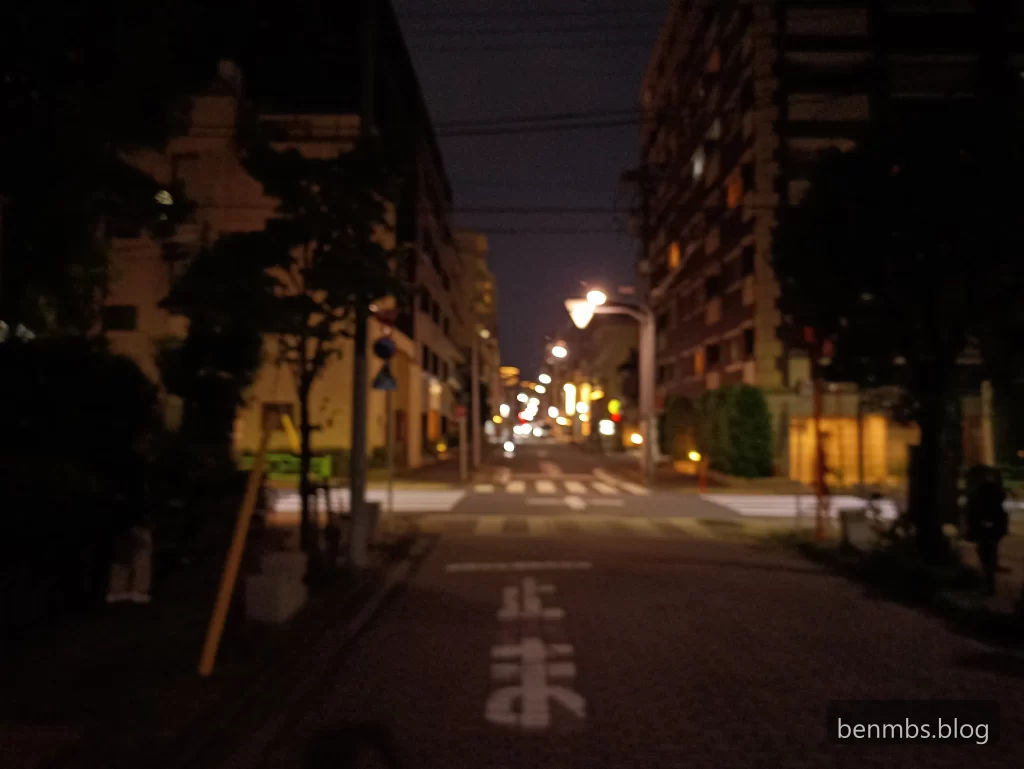 Tokyo - A street at night
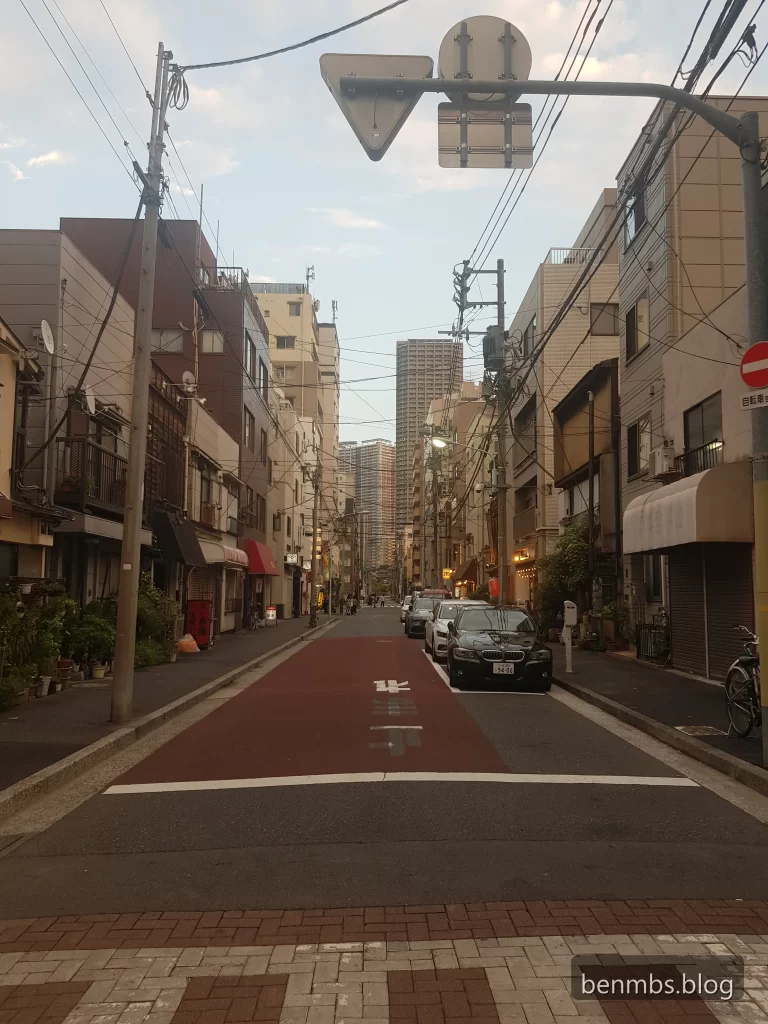 Tokyo - A street by day
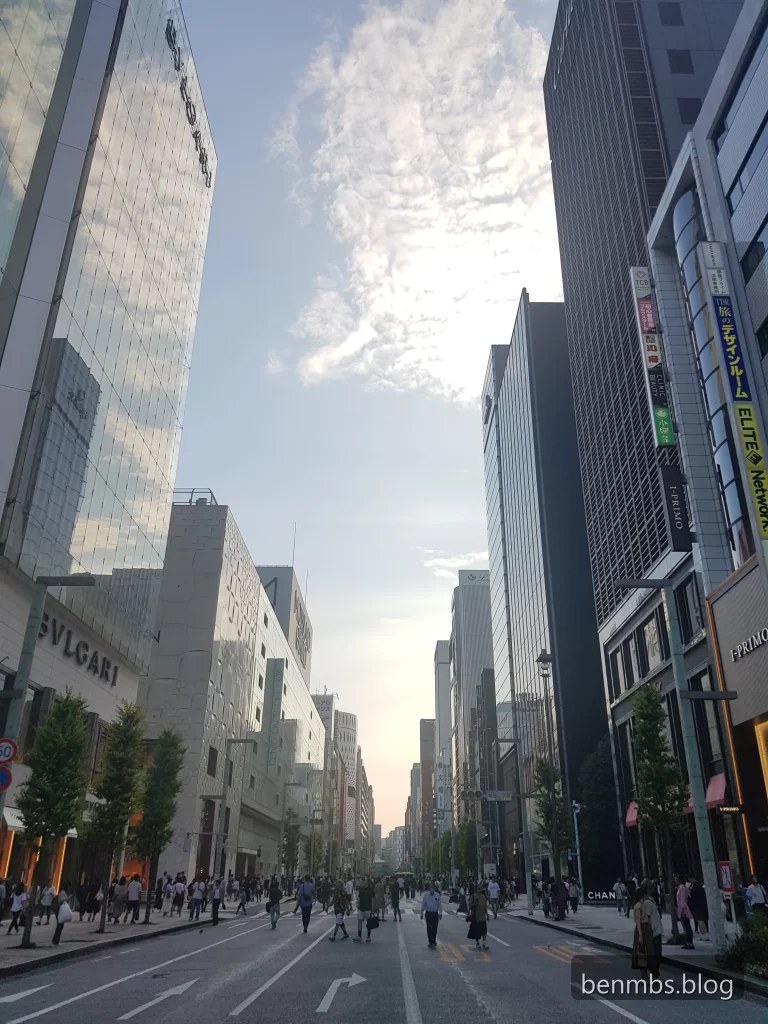 Tokyo's Levent
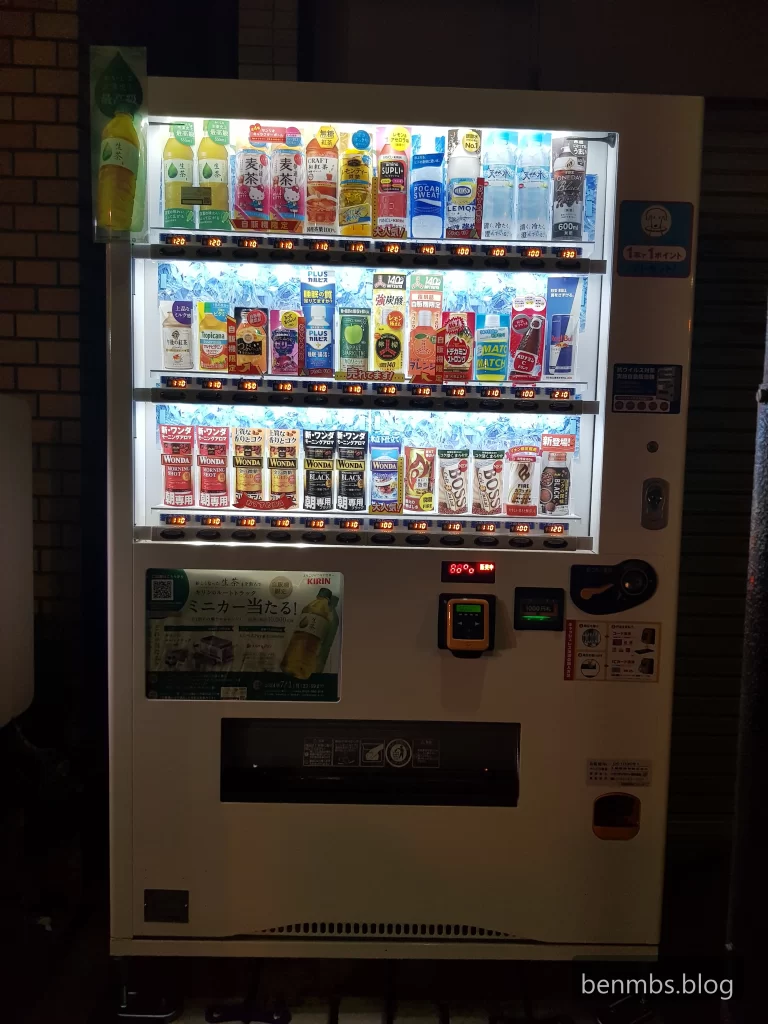 Brother vending machine. It was a lifesaver. The drinks were excellent.
Things We Didn't Like
Excessive politeness, the confusing subway system, the lack of English speakers, the primitive ticketing system on the subways, the primitiveness of setting up a transit pass, how silent the subways are, the halal food problem, the directive boards everywhere, the absence of trash cans in restrooms.
A Few Photographs
 Tokyo's Paris
 Tokyo's astigmatism-inducing strait
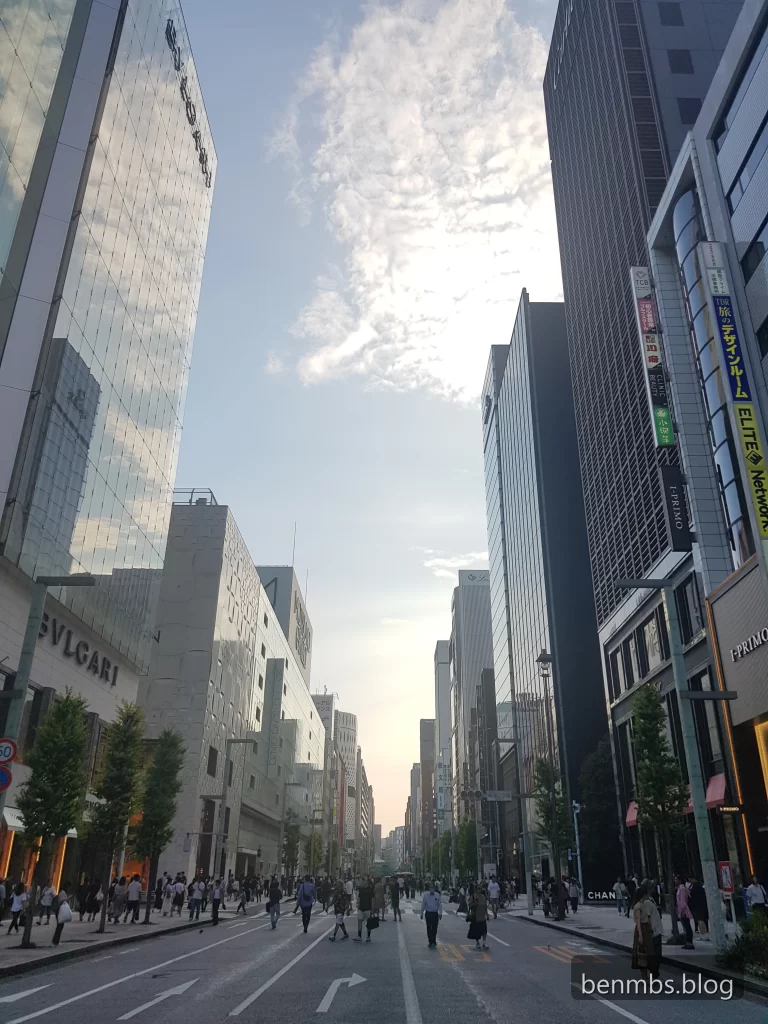 Tokyo's Levent
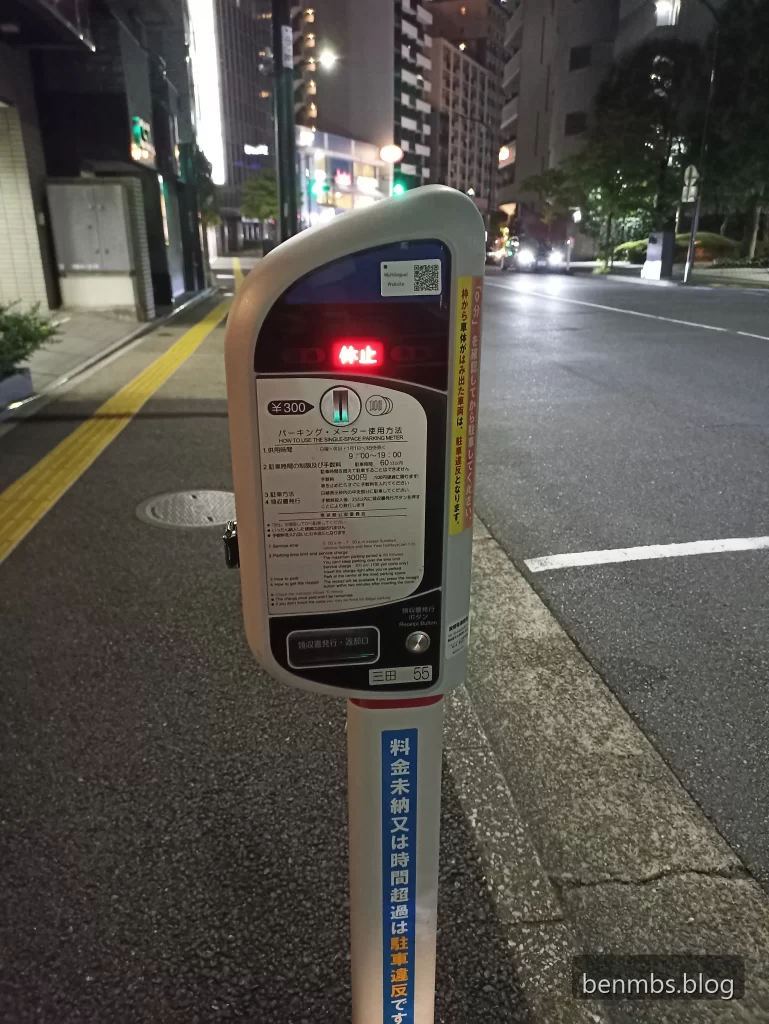 Tokyo's parking contraption
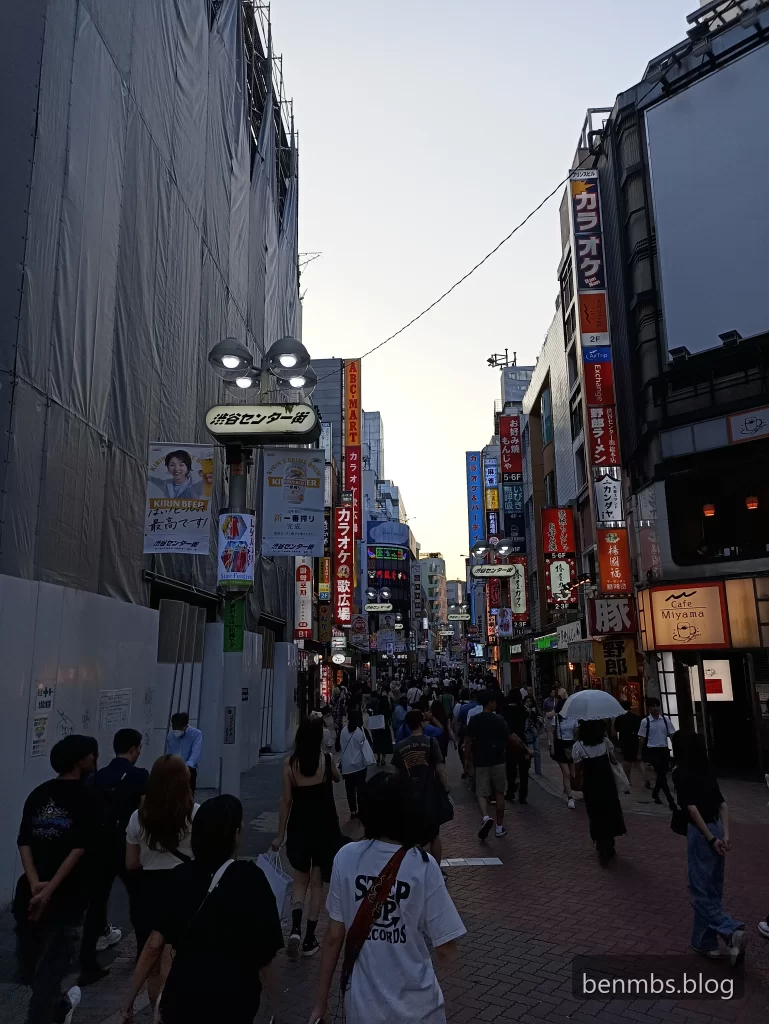 Tokyo's Kadıköy
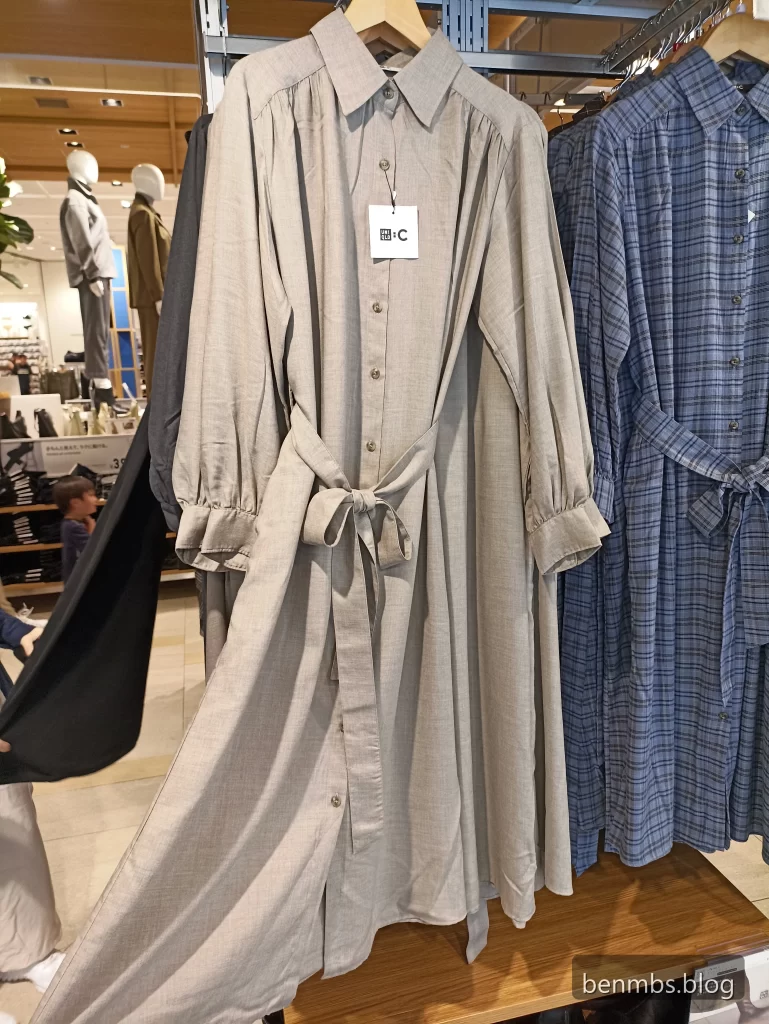 Japanese-style clothing
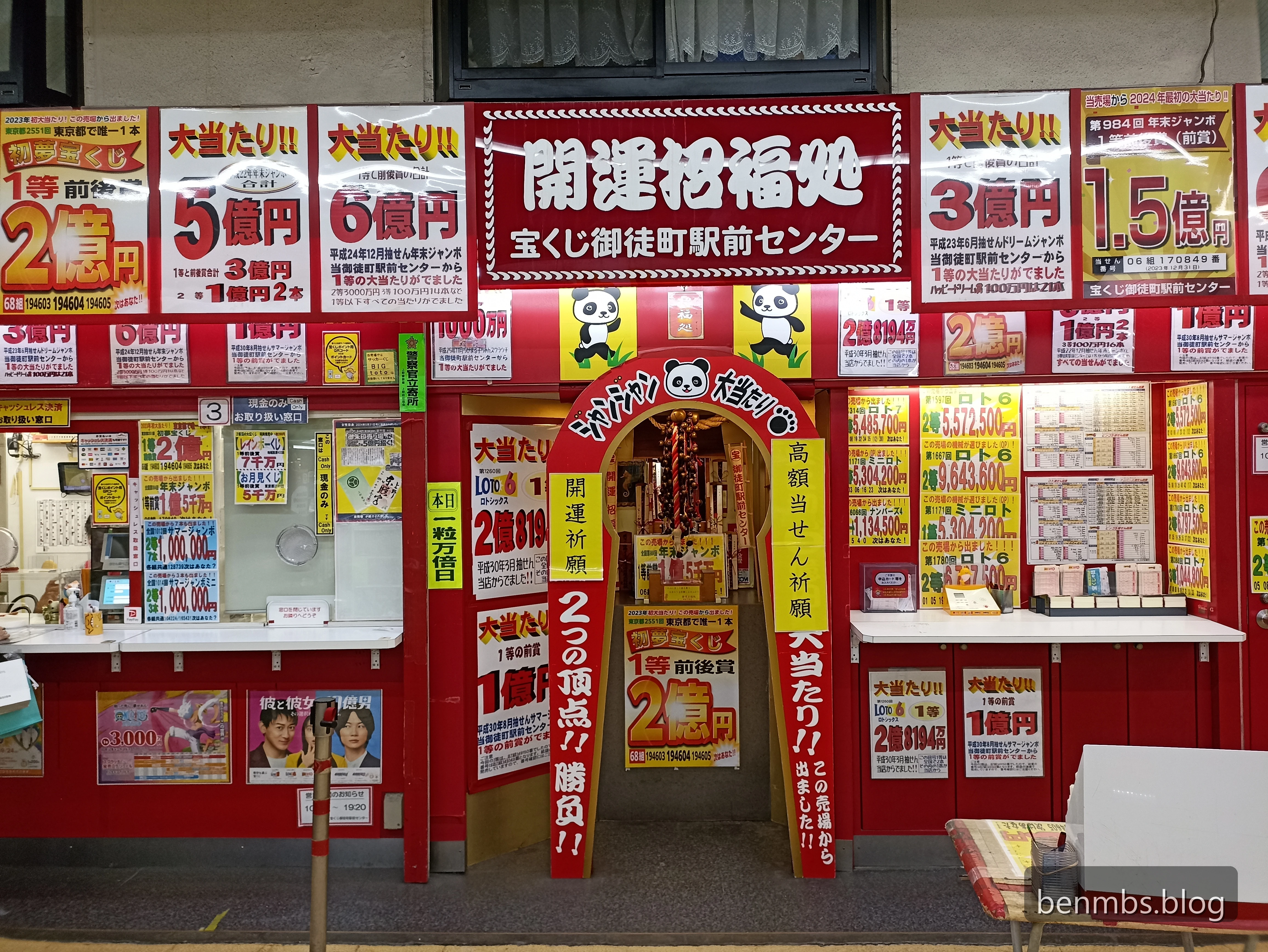 A temple-themed gambling machine
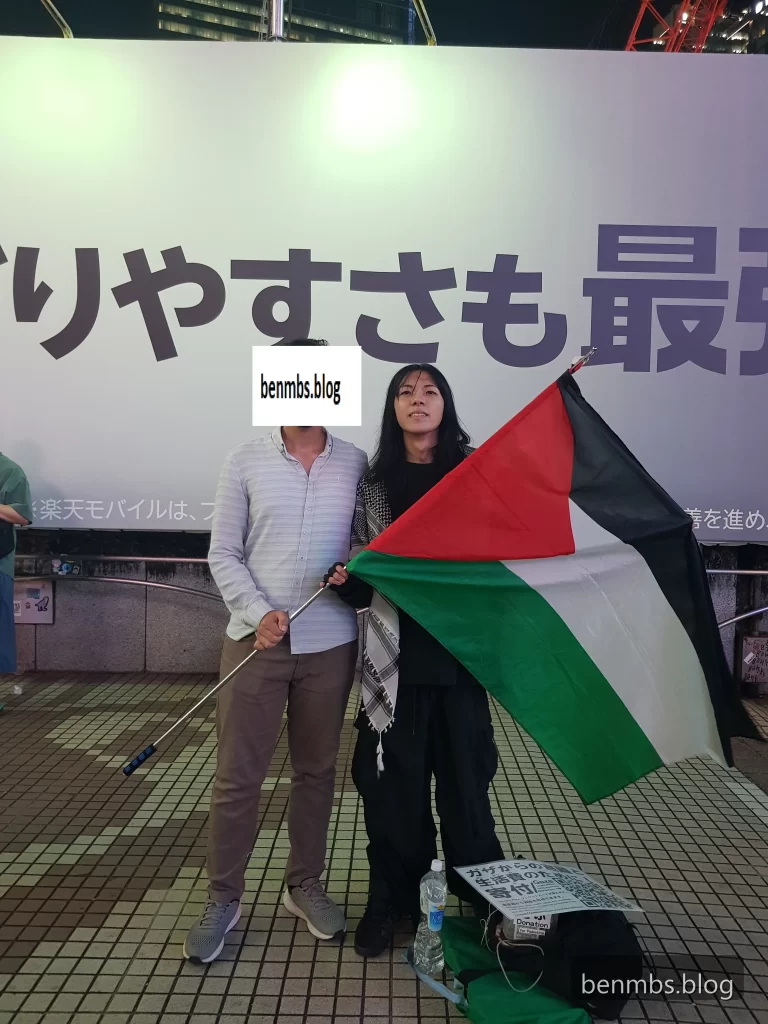 Tokyo's mujahid. He was staging a protest in Shibuya Square. He wasn't Muslim. In his view, you didn't need to be Muslim to stand against this genocide. He was a member of a group. The learned gentleman on the left is also worth a mention.
***
We've come to the end of a trip. For better or worse, this turned out to be a piece I only managed to put to pen (or to keyboard) a full year later. It ended up being an account of an experience rather than a list of places to visit, meals to eat, cliffs to jump off, oceans to dive into, and so on. Maybe the format of future pieces will change. That's all for now. Next in line are pieces on Egypt, Montenegro, and Albania. Who knows in which universe, or at what point in time, I'll be fortunate enough to actually put them to pen (to keyboard)...
29.08.2025
Don't miss new posts
Join the email list and hear about new writing as it lands.
Japan Trip
- An Attempt at a Cultural Autopsy of Japan, or Travel Diary 1: Introduction and Osaka
- An Attempt at a Cultural Autopsy of Japan, or Travel Diary 2: Kyoto
- A Cultural Autopsy of Japan, or Travel Diary 3: Tokyo and Closing (you are here)
This is the last post in the series.
Comments (0)
Be the first to comment.