South Korea and Seoul: A Traveler's Stream of Consciousness and Travel Notes
Like my other posts, this piece won't be a travel guide answering questions like "where to go in Korea" or "Korea travel guide." Rather, it will be an invitation into the mind of a traveler (I think this is the first time I've called myself that). Instead of answering "where should I go in Seoul?", this piece wants to build an essay-in-living by asking questions like how does a city seep into a person, and what is it that makes a city a city? If you'd like to accompany the stream of consciousness of two travelers pacing through a city overflowing with restaurants full of Korea's cheerful, happy people, put the kettle on and let's brew this conversation. Right this way, please.
Why Seoul
Recently we took a trip to Seoul, the capital of South Korea. In the first of my Japan posts, while discussing our possible routes, I mentioned that since I'd spent years bullying my cousin over her K-pop fandom, if Korea turned out to be the first country I visited, she would inevitably turn the tables and bully me for it from then on — so we went to Japan instead of Korea1. Exactly one year later, around the same dates, in the days when summer heat and humidity were at their peak, another Asian trip fell into our lap, and this time we caught our breath in Seoul.
How Seoul
We stayed in Seoul for about 5 days in total. Another 2 days went to travel, making it a week-long escape altogether.
And of course, tradition held: since we barely had the chance to do any research beforehand on this trip either, we crammed everything into the last few days and arrived in Seoul running, as if we'd finally found somewhere to flee to.
To enter Korea, you'll first need an e-visa. You apply by filling out the relevant forms at https://www.k-eta.go.kr/. It costs around $7. Ours was approved within an hour. Still, it's best not to leave it to the last minute.
Now that we've sorted out entry into the country, let's talk about what we actually entered. Seoul is the 25-million-strong capital of Korea's 50 million people. It's the country's largest and most congested city. Population density is close to 6,000 people per km² in Istanbul, versus 16,000 in Seoul.2 3I was going to say "do the math on how crowded that is," but let me note that we didn't actually encounter the kind of density you feel in Istanbul. Maybe we'll get into that later in the piece.
First Impressions
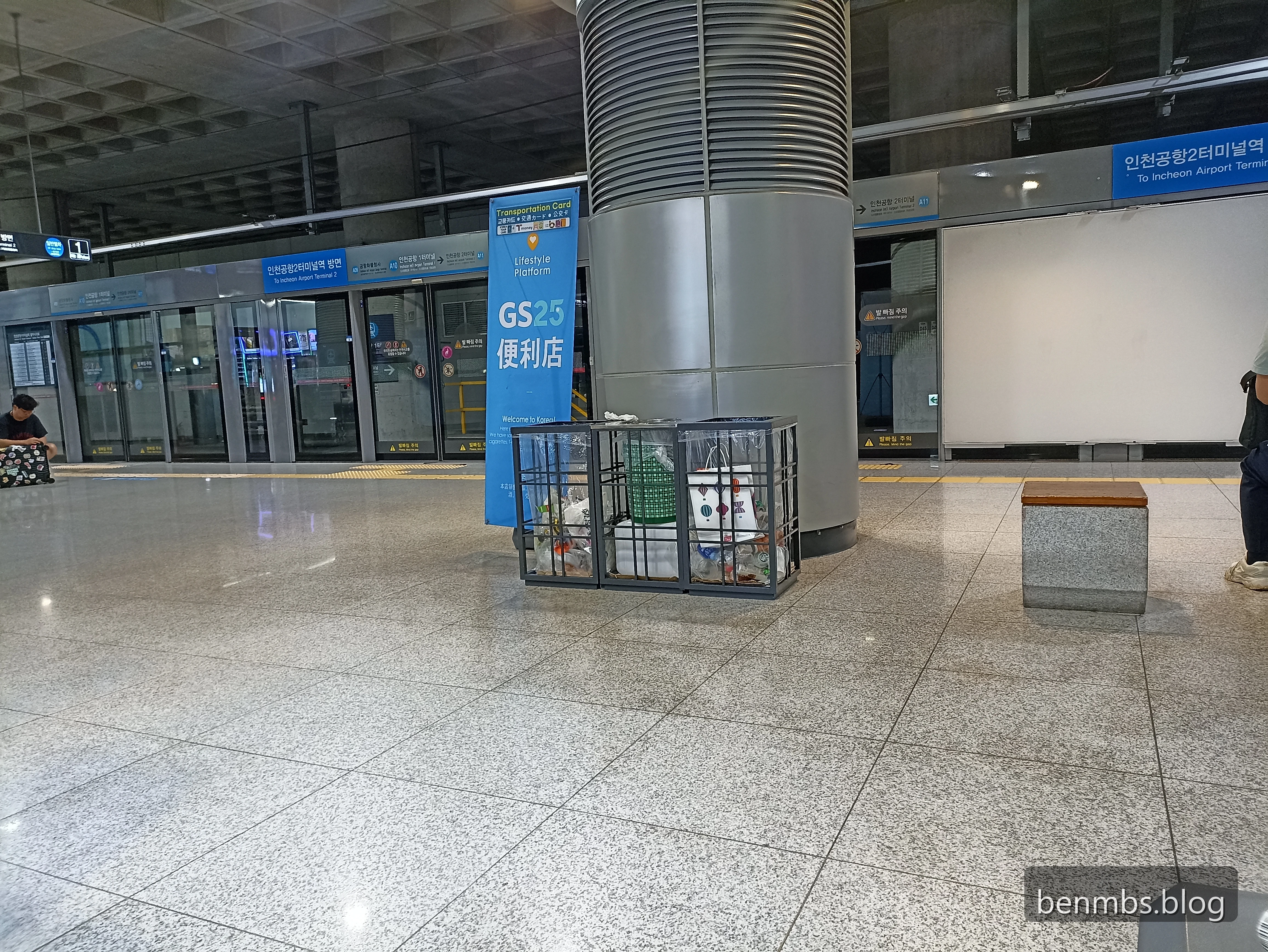
After all that preamble, when we arrived in Seoul — even though we'd later realize this comparison wasn't quite fair — we couldn't help comparing it to Japan, and Tokyo in particular. One of the first things that stood out was how much simpler the airport was compared to Japan's — and, as we'd notice later, the country as a whole. In Japan there are posters, banners, warnings, and all sorts of signage everywhere; in Seoul, nothing of the sort. Our passport control also went much faster than in Osaka. We set off toward our accommodation on what they call an "all-stop train" — a metro that stops at every station. After an hour-long ride, we settled into our place and began watching the morning unfold.
As in many countries around the world, museums in Korea are closed on Mondays, so we couldn't visit the museums we'd planned and did a city tour instead. Normally we color-code the places we're going to visit on a map and plan day by day, moving in that direction. This time, though, we couldn't even do the color-coding, and on top of that, the unexpected (ha ha) closure of the museums meant we couldn't stick to the rough direction we'd sketched out in our heads, so we started visiting the in-between spots we'd scattered around the museums instead. Naturally, since we ended up covering almost everything we'd scattered in for the first day, and had plenty of time left over, we also covered the in-between routes we'd planned for other days, and by the time the second day arrived, most of the non-museum spots were already done. An interesting side effect of this was that we passed by the same spots more than once before leaving the city — some of them 3-4 times. This gave us the chance to get to know the city better and look at places with a more familiar eye. We filed this approach away in the back of our minds in case we get to apply it on future trips.
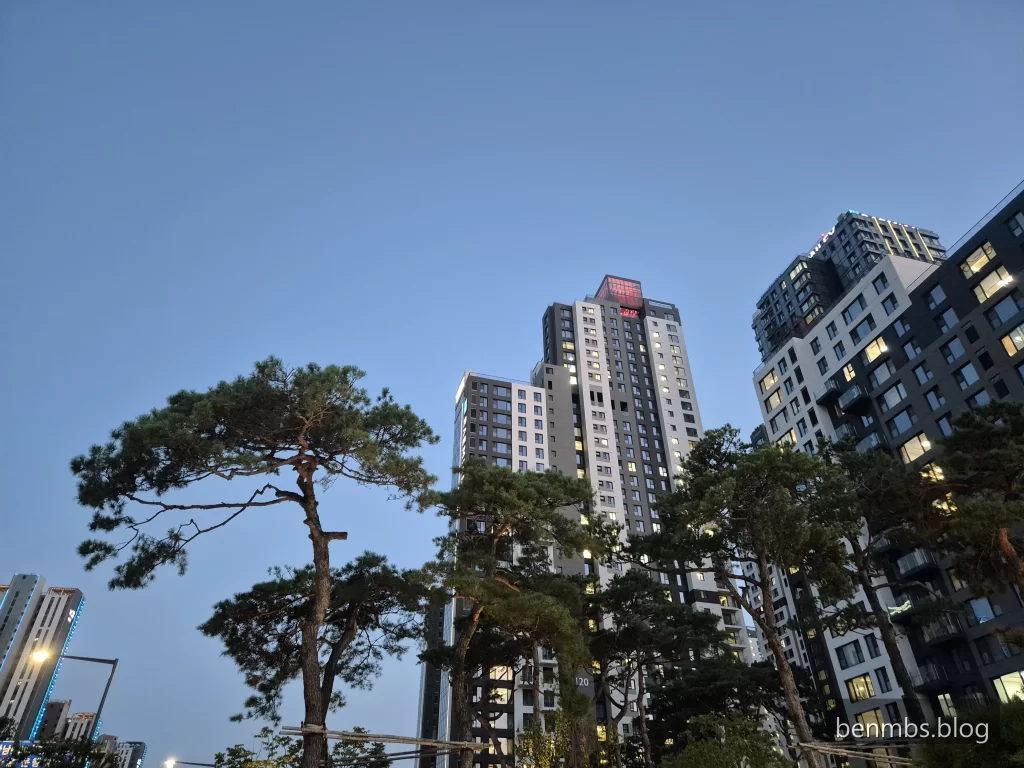
I mentioned that in the early days we were evaluating the city through its similarities and differences with Japan. One of our first observations was how few posters and banners there were compared to Japan; another was how much dirtier the streets were compared to Japan (don't get me wrong about "dirtier" — I'm comparing to Japan here. Side streets and the like can have some litter, but it's nothing comparable to Turkey), and how irregular the paving stones were. We logged this with the disapproving gaze of an 80-year-old Japanese grandfather. But the truly striking thing was the amount of greenery in the city. In Tokyo and other Japanese cities, aside from parks and gardens, you barely see any green on the streets; here it was the exact opposite. We didn't see many parks or gardens, but on the streets, trees reaching up to the 10th floors of buildings and tiny green strips in the middle of roads caught the eye everywhere. This was the first bond we felt with Seoul. Because when we think about Turkey's streets, a fairly similar situation can be seen there too. Park and garden density varies from district to district and province to province, but we can say our streets are never short of trees. There's always at least a tree here and there with us too. Along with this, we also chalked up the looseness of the streets (the dirtiness and irregularity) as another point of connection between us. We kept observing, asking ourselves: I wonder if we actually resemble these people?
From what we saw, Korean people are extremely cheerful and warm. The tendency to smile in people we made eye contact with, the tendency to chat among people sharing the same space, and the warmth and sincerity we felt were on a level simply incomparable to the Japanese. Especially the restaurants and street stalls packed from the end of the workday well into the late hours, and the laughter rising up from them… That's when we said, "man, we've been making a mistake." About what? About comparing these people and this country to Japan. We realized that yes, there are surface-level similarities, but this is actually a completely different country with a completely different culture. This is a country of warm-blooded, cheerful people who are more relaxed than the Japanese, whose streets are full of trees, who wear long socks under their shorts. After this realization, we tried to examine the country on its own terms and loved it even more.
A dentist in Korea
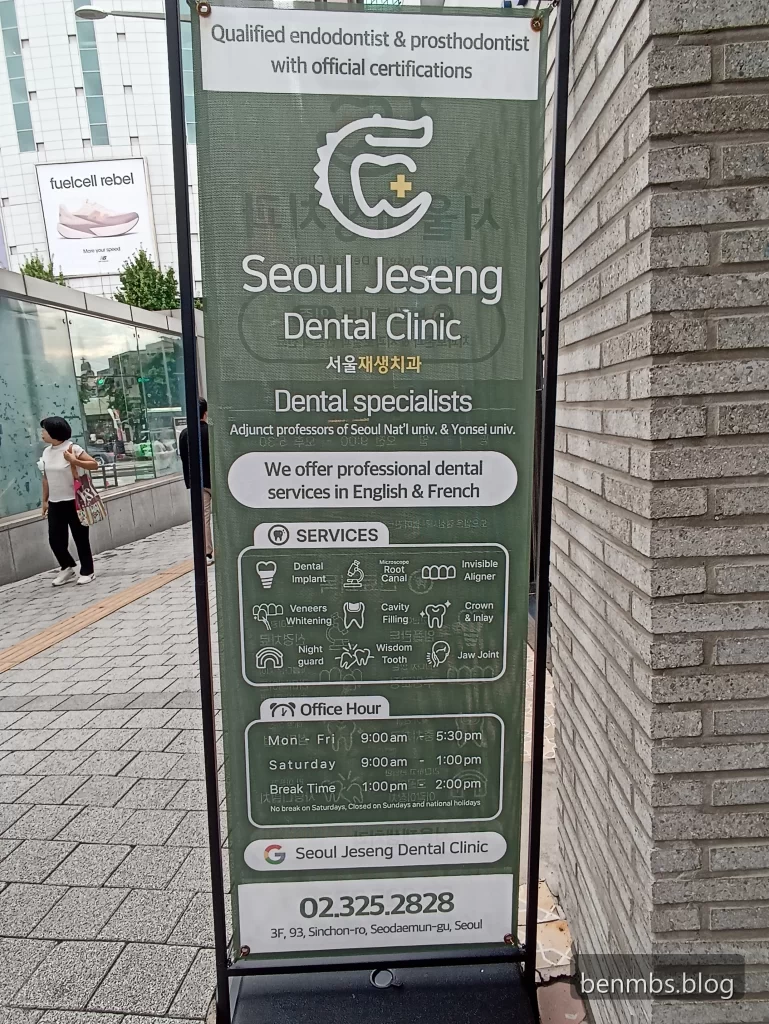
It must have been our 3rd day there when we became the guest of Ms. Betül, who posts on social media under the handle "A Dentist in Korea."4
She kindly took time out of her valuable schedule to have tea with us, and as if a lovely conversation about Korea, dentistry, and dentistry-in-Korea wasn't enough, we also got to visit Yonsei University, where she's pursuing her doctorate.
As I listened to Betül's story, a piece I'd written a while back, titled Dentists of the World, Unite5, kept spinning through my mind. We heard about a dentist, overflowing with the same problems and complaints, who had moved to Korea with a brand-new career plan. I'd like to say I'm genuinely happy for her. Turkey lost a dentist; Korea gained a dentist-researcher. Our shame is Korea's pride.
It gave us a chance to think. After all, how many people, in the grand scheme of things, have actually emigrated to Korea? We understood, we decided, and we now preach: friends, you can live a life just like everyone else lives. You learn a profession, find a job, work, your finances improve, you get new goals, and so on. That's a choice, and in my eyes it's neither good nor bad. But it is, in my eyes, deeply unexciting, or in street slang, demoralizing. I'm not talking about people who don't have the means, but when someone who has some means, one way or another, sets out on a different path, it excites me so much… I mean, humanity has long known the road everyone walks and where that road ends. But what about the other roads? Inspired by uncle İsmet, the recurring guest of my writings, I'd say: a cinematic life, or an aesthetic execution6… both are possible, and doesn't that excite you too? If even a tiny trip can affect a person's world and outlook this much, imagine what a whole different lifestyle and the struggle to hold on in a different land might make of a person. We only come to life once, so why should we live like everyone else? Mind you, I'm not asking this with the motivation of a teenager rebelling against their parents in a struggle for autonomy. If we only get one life, why do we try to live it the way it's already been lived millions of times over, instead of the way it's meant to be lived just once? We'll unpack this further later in the piece, God willing, but for now let's just signal this much: life is too short to be unhappy, man.
Don't miss new posts
Join the email list and hear about new writing as it lands.
According to what "A Dentist in Korea" told us, dentistry in Korea, unlike in Turkey, ranks above medical school in prestige. The credential-recognition process for dentistry in Korea is, as in nearly every country, convoluted and difficult. In other words, from what we understood, Korea doesn't really recognize the equivalence of a dentistry diploma earned in Turkey. As in many other countries, though, the path is open for those who choose to continue through academia. As I've often noted in my piece Dentists of the World, Unite, I looked into working conditions here as well, and from what we understood, clinician dentists here also work 5.5–6 days a week. I suppose it's a global problem. That's precisely why I titled that piece Dentists of the World… Another difference from Turkey in dentistry is that dental assistants in Korea occupy something closer to nurse status compared to Turkey. To become a dental assistant there, you have to complete a 4-year assisting program and take basic medical courses. They're able to perform minimal procedures like scaling and bracket bonding, and so on. That's not really the case with us. I couldn't say which is better.
Since clinical practice was out of reach in Korea, we also asked her about the academic path, and from what we understood, academia works there the same way it does everywhere else in the world. You find a university, write to a professor, get folded into the official process, get accepted, pray for a research assistantship, graduate, and go on with your life. You don't need to know Korean for any of this, but knowing it helps a lot in many respects — course selection, responsibilities, and so on.
Let us once again thank Ms. Betül for setting aside her precious time for us, and continue on our way.
Secondary Observations
Using our conversations with "A Dentist in Korea" as a stepping stone, I want to move on to another subject — or the same subject — to continue on. Let's start with another memory.
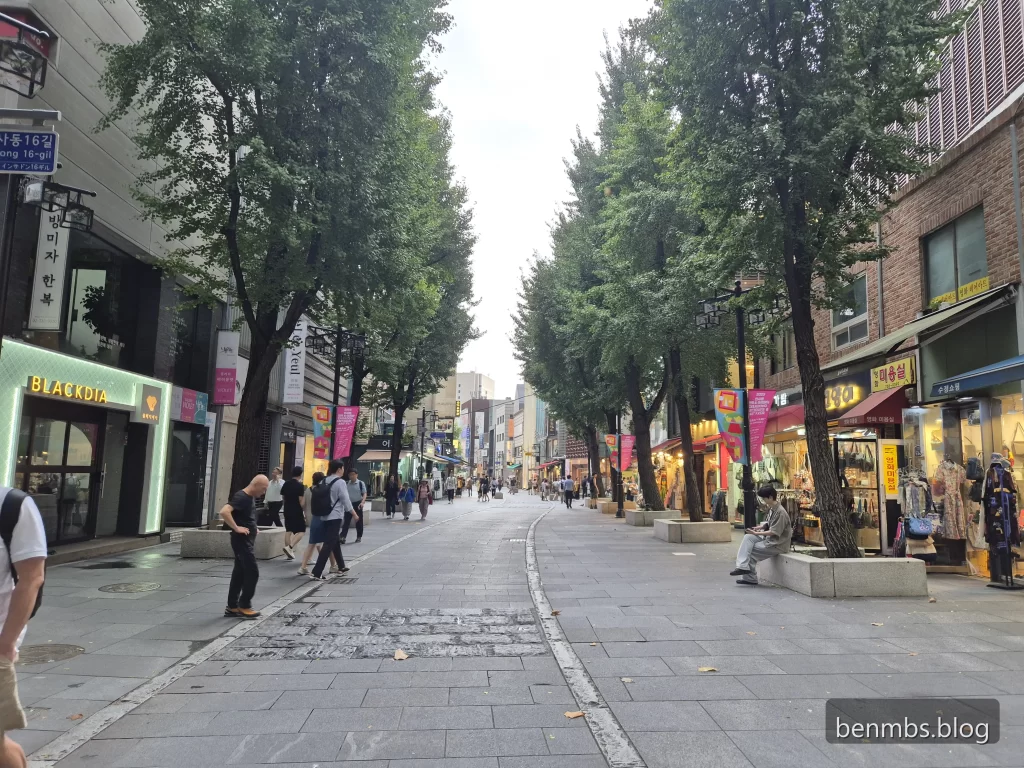
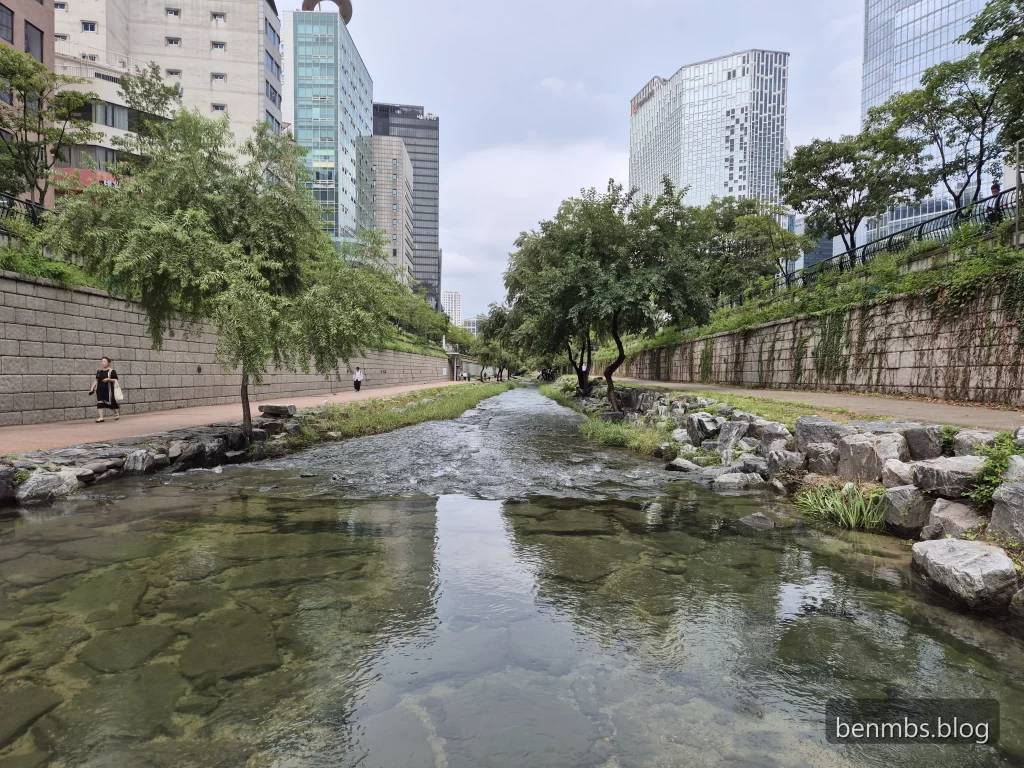
I mentioned earlier that, due to a certain lack of planning, we ended up seeing the same places several times. One of these was Culture Street. We must have looped around it 5 times. It worked out well, actually. There are lots of tea houses, and we sat down and tried the tea at each one. Some we liked, some we didn't, and so on. But there was also a restaurant. On our second and last day in Seoul, we ate there twice in total. When we walked in, there was no trace of the cheerfulness and warmth we generally saw in the city's restaurants and people. It hadn't caught our attention the first time we went in, but the second time it was impossible to miss. A group of three was sitting by themselves — there weren't many other customers anyway — silently eating at the same table, and afterward silently fiddling with their phones. Meanwhile, we were listening to the laughter drifting in from outside. The night before, we had walked along the river running through the middle of the city and observed how people chatted and walked, making a few observations of our own. In short, there was one very important thing missing from the outside world in this place: happiness.
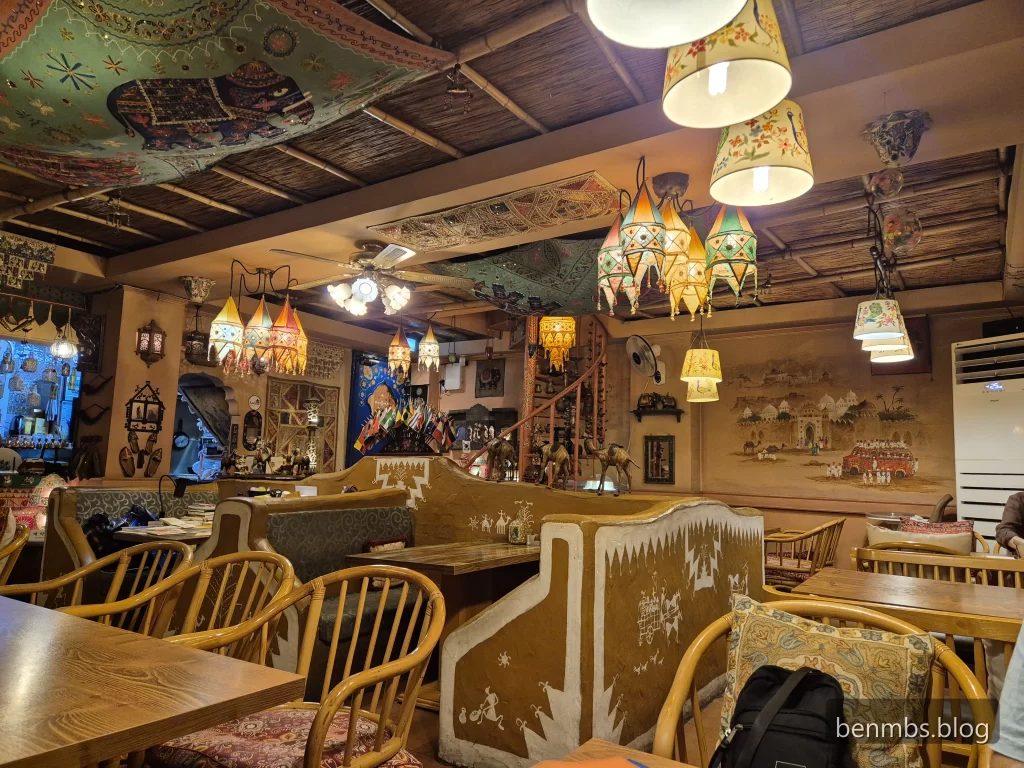
After we ate, in the silence that followed, one thought opened onto another, and I said, "life is too short to be unhappy." With a cheerful life just two steps away, we felt like they had found their way to unhappiness inside the space they'd shut themselves into. Why would three people sit around in a place with no other customers anyway? We also suspect they were relatives. One of you could step out, walk around for an hour, do something. Come back in and talk like other people do. Nope. They'd chosen to eat their meal in a quiet unhappiness and stare at their phones. It was such an outlier compared to the general mood of the country that we were left dumbfounded.
Then it was our own lives' turn. So what were the unhappinesses we'd condemned ourselves to? How much of it was our own choice? What could we do about it? How much of the quarter-century I'd lived had I filled with unhappiness, and how many of who-knows-how-many days I had left had I already mortgaged away — perhaps of my own free will?
There's a life out there, I think, friends. Let's step out of our bell jar. We can find plenty of reasons to be unhappy. Our reasons might even be valid, but it seems like a large part of our unhappiness comes from within us too. Let's become aware of it.
After the country of cheerful people wearing long socks under short shorts, the homeland whose restaurants gush with laughter, and the people smiling at each other in the street, we turned our gaze onto our own country. Why weren't we — the Turkish people — happy? Why was this a country of angry, unhappy people? Thousands of political, economic, and social reasons could be listed. I'd grant most of them their due. But really, why are we unhappy? Even our rich are unhappy. Which restaurant can you walk past and hear cheerful laughter spilling out of? It's really painful.
Anyway, life seems too short both to be unhappy and to live everyone else's life. I suppose you have to budget accordingly. That was the most important thing this trip gave me to think about. So what am I actually doing now so I stop postponing happiness? I was already living life not giving a f*ck, and now I don't think I even live it that much anymore. Lost your job? We'll go find another one, God willing. Boss fired you again? Screw anyone who lasts more than 5 minutes, right? Patient's complaint hasn't gone away? It'll pass somehow, keep going. Cheap seminar going on in Konya? We'll eat some tas kebabı and hit the gas. Business slowing down in your field? Fire up the classifieds and go chase down other jobs. Kid couldn't get registered for school? Call the lawyer, let him sort out the registration. Driver behind you leaning on the horn? Turn up your music. Did they detain İmamoğlu's lawyer? Open up İçimdeki Yangın, we left off halfway through, let's pick it back up from there. A Kafkaesque, Camus-like hopelessness sliding into a hedonistic couldn't-care-less-ness. To hell with the world, to hell with life. Whether you care or not, you end up dead either way — so go ahead, laugh, joke about it. Live your life a little not giving a f*ck. This much I know, and this much I say.
Friends, I've come to think that travel isn't only an act of observing the outside world; it's also a way for a person to look at themselves, to look at themselves from the outside, to examine themselves. It's started to seem to me that people set out on the road partly to find themselves. As if, by wandering from land to land, we're searching for ourselves, or for a self / soul we've forgotten somewhere. Yes, in one sense it's an escape — from responsibilities, from the everyday, from life — but what's found at the place we've escaped to seems to be no one but ourselves again. I suppose we could call travel an escape from oneself to oneself, or an arrival at oneself.
Anyway, let me end the piece with one more realization. Toward the end of 2023, I did an analysis of the films that had been released in Turkish theaters in 2023, but I still haven't had the chance to publish it on the site. The conclusion I roughly arrived at there was that our world of thought and art is West-centered. Very few Eastern films made it to theaters. That's where this started from. Once I publish that piece, I'll drop a link here. Anyway, while touring Seoul, thinking about the trees casting shade between the tall buildings and the laughter spilling out of the dozens of restaurants on every street, I realized that our world of thought really is West-focused. I won't be saying anything new, but it won't hurt to put it into words either. We're a country caught in the middle of the East–West struggle that's been debated since the Tanzimat reforms. We still seem to be searching for our course. Our writers wrote about it years ago, and so did our sociologists... Tanpınar describes beautifully which place we're actually "natives" of. Sabahattin Ali also expresses our conflicts and in-betweenness well. Anyway, there's an alternative civilization in the East too, but we've always turned our course toward the West — a bit by way of the rudder being steered for us, I think. We're oblivious to the East. So much so that even after our conversations with "A Dentist in Korea," I still found myself thinking: "if I'm going to fight this hard for credential recognition or for academia, I'd rather fight for it in the US, the UK, or, fine, Germany. What am I going to do by coming to Seoul?" And yet what a biased, uninformed thought that is. What do I actually know about Seoul or the US that lets me unquestioningly prefer one over the other? This too, I think, is just rote-learned conditioning. When I think about it, our similarities with Korean people are far from small — maybe even greater than what we share with Germans. So why Germany? Because our world of thought has been castrated. And that, right there, is a realization in itself.
On our similarities with Korean people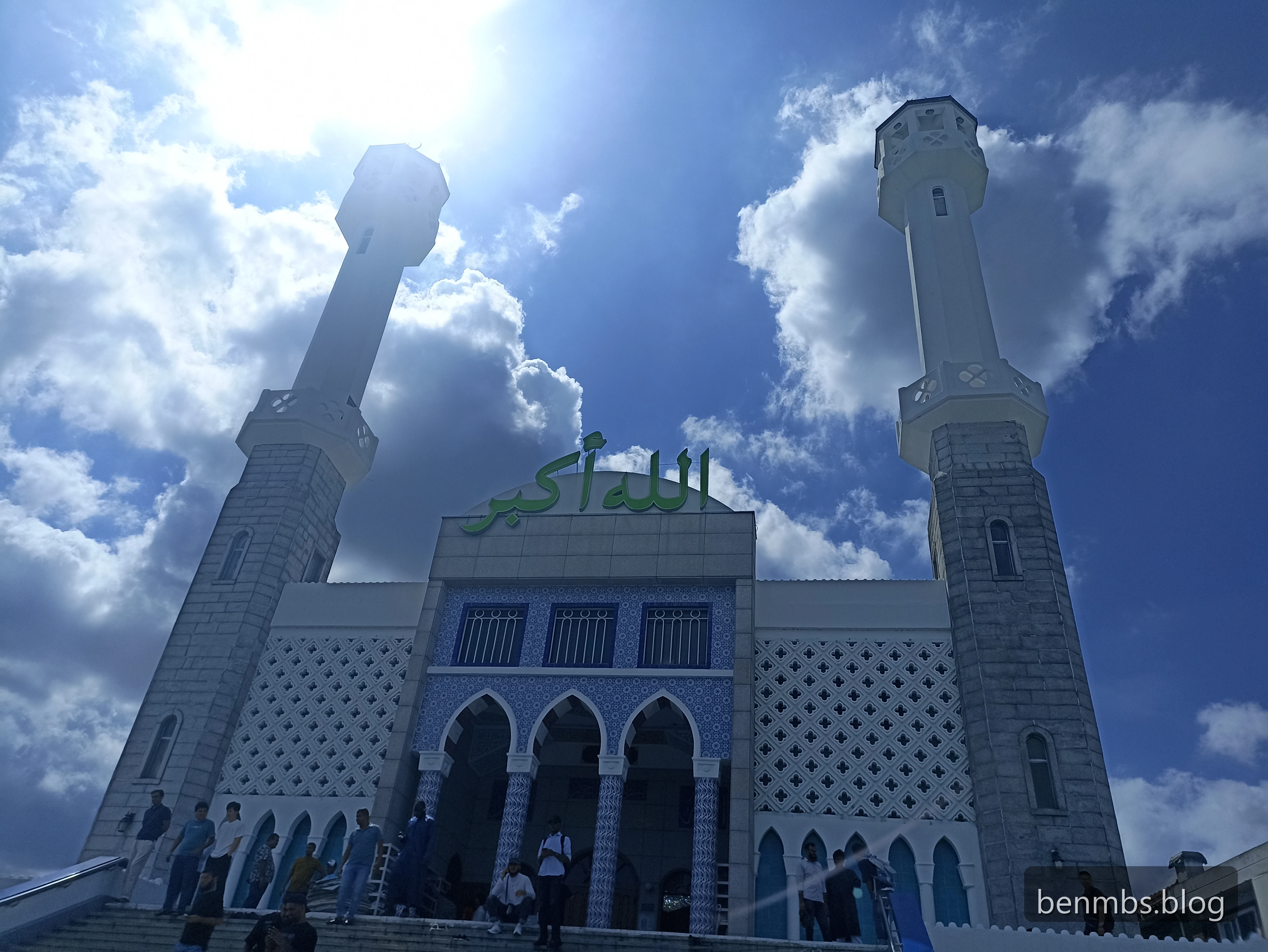
Regarding the similarity between Korean and Turkish people, we had a small chat with an "abi" (an older-brother figure) on our way out of Friday prayers. This abi had settled in Seoul 7 years ago and isn't really planning on going back. In his own words, "I do outreach here." According to him, whichever old Turkish or Anatolian custom or manner he brings up with Koreans, he's met with the reaction, "oh, we have that too." He says, "I've never once brought up something of ours and been told, 'we don't have that.'"
Places We Visited
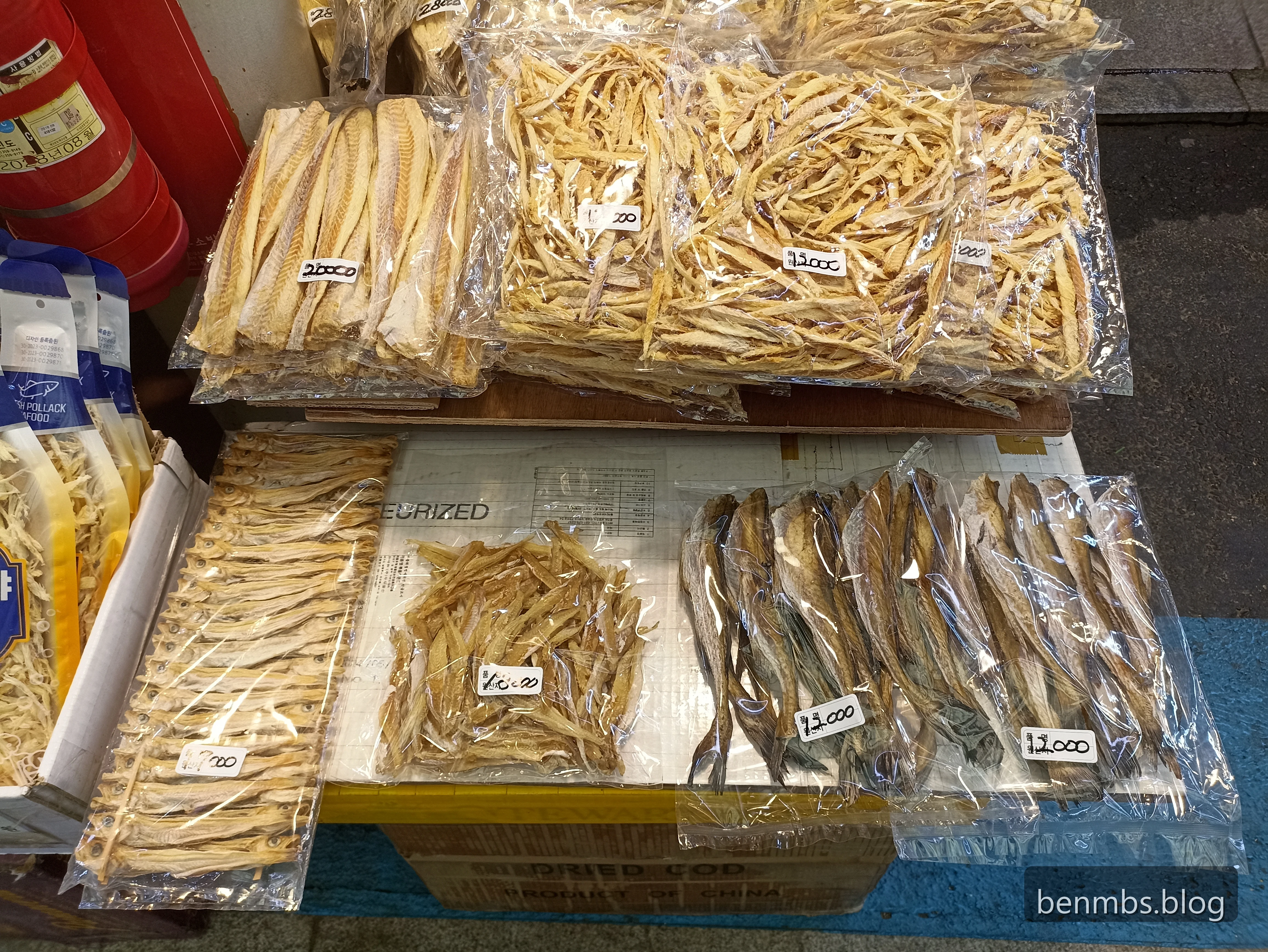
I said this piece wouldn't be a travel guide, but it's customary, so let's briefly mention where we went. If you're coming to Seoul, I'd say definitely walk along the river running through the middle of the city, cross the Han River, tour Culture Street and try the tea houses there. Visit the local markets — especially the fish market — take a bus tour of the city, take a quick look at Gangnam, but above all, walk a lot.
A Few Photos
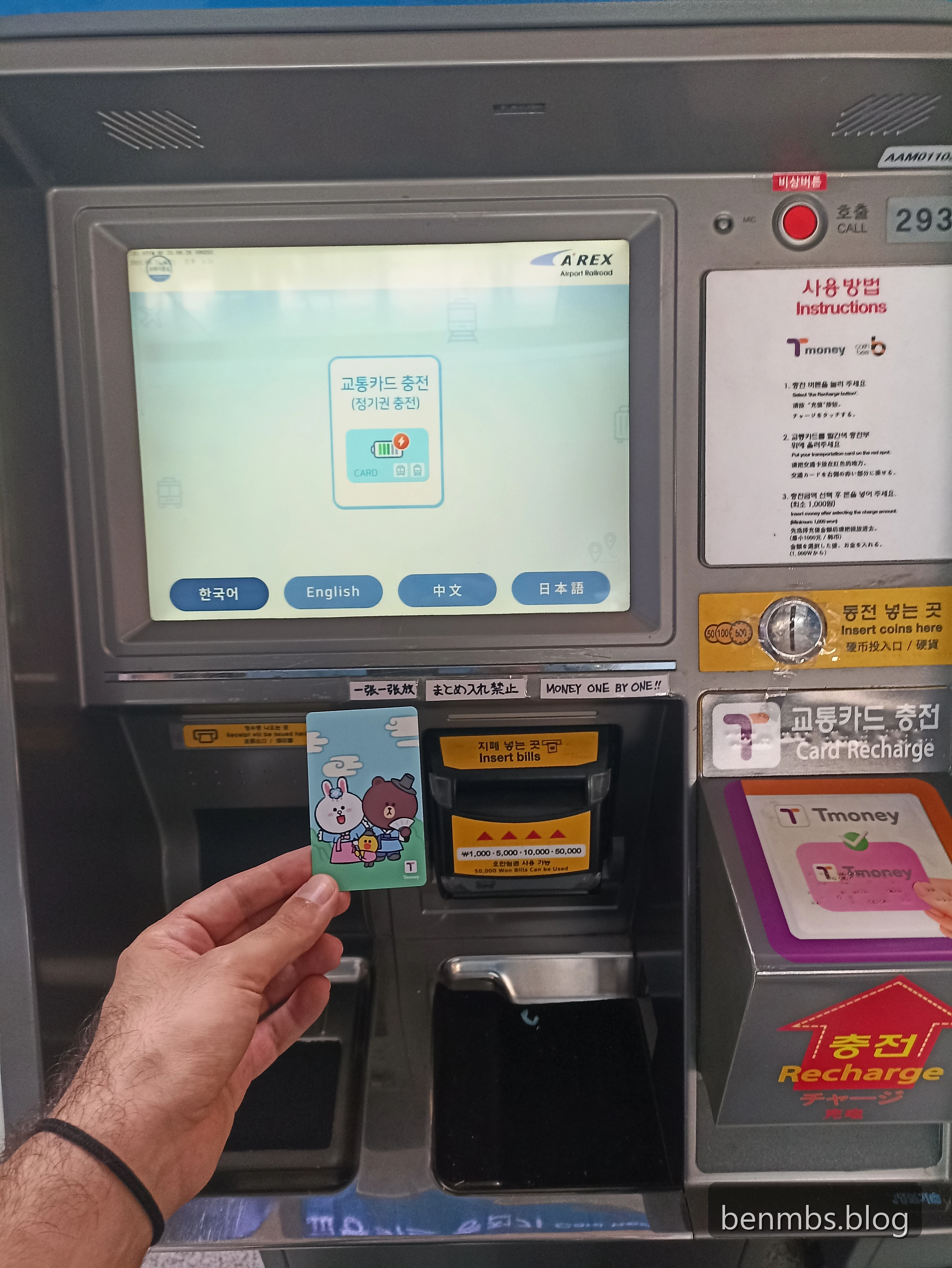
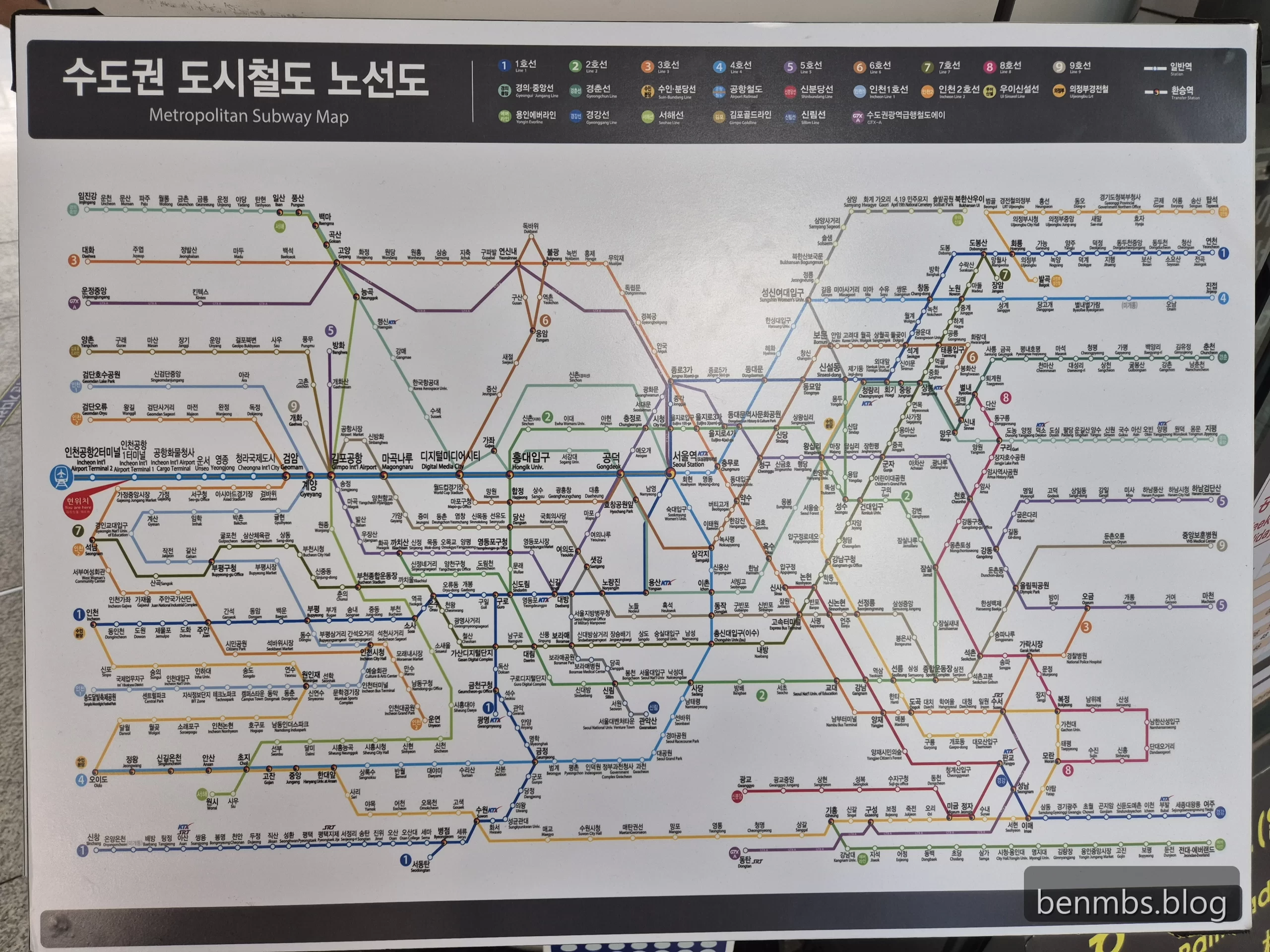
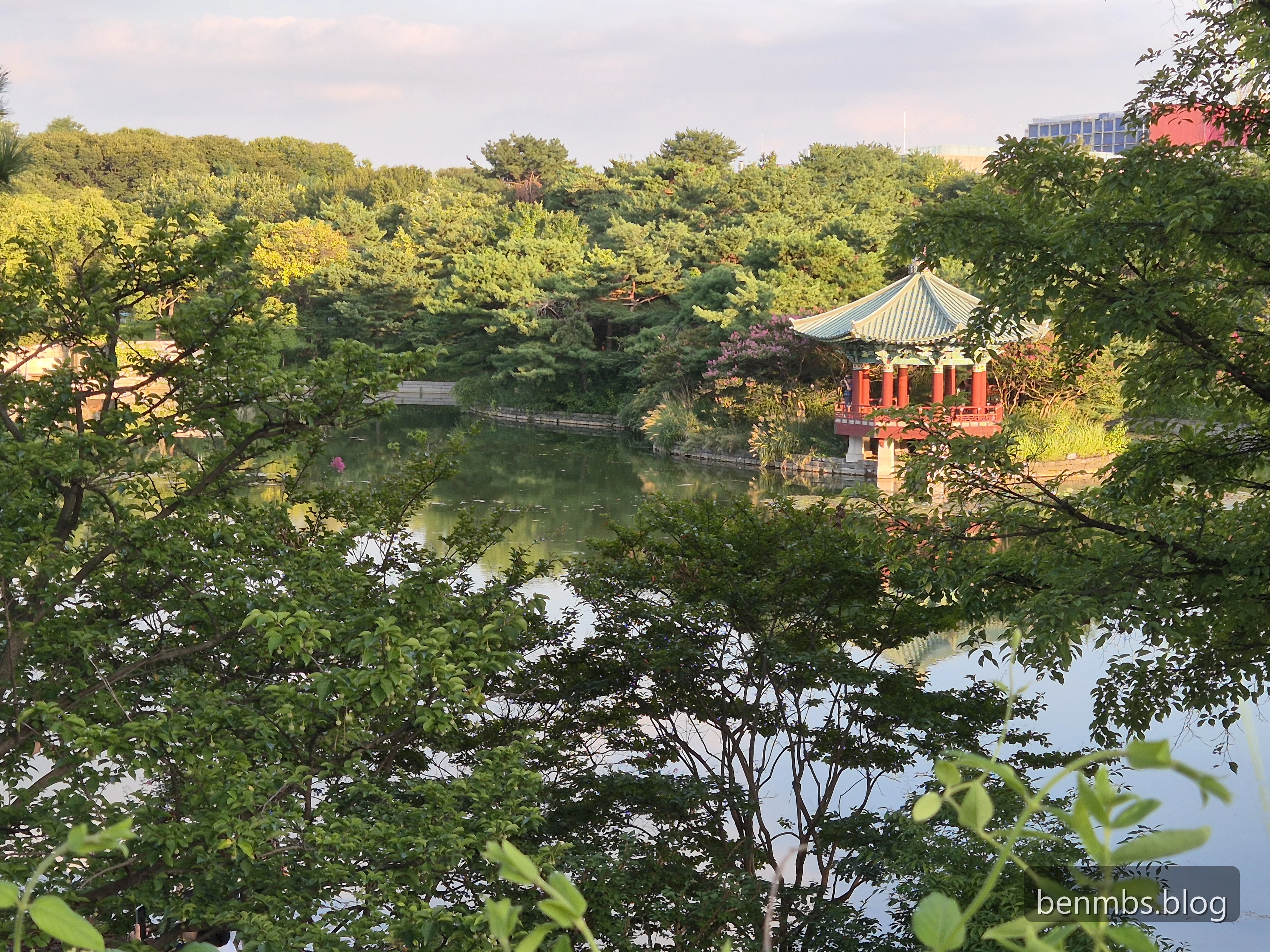
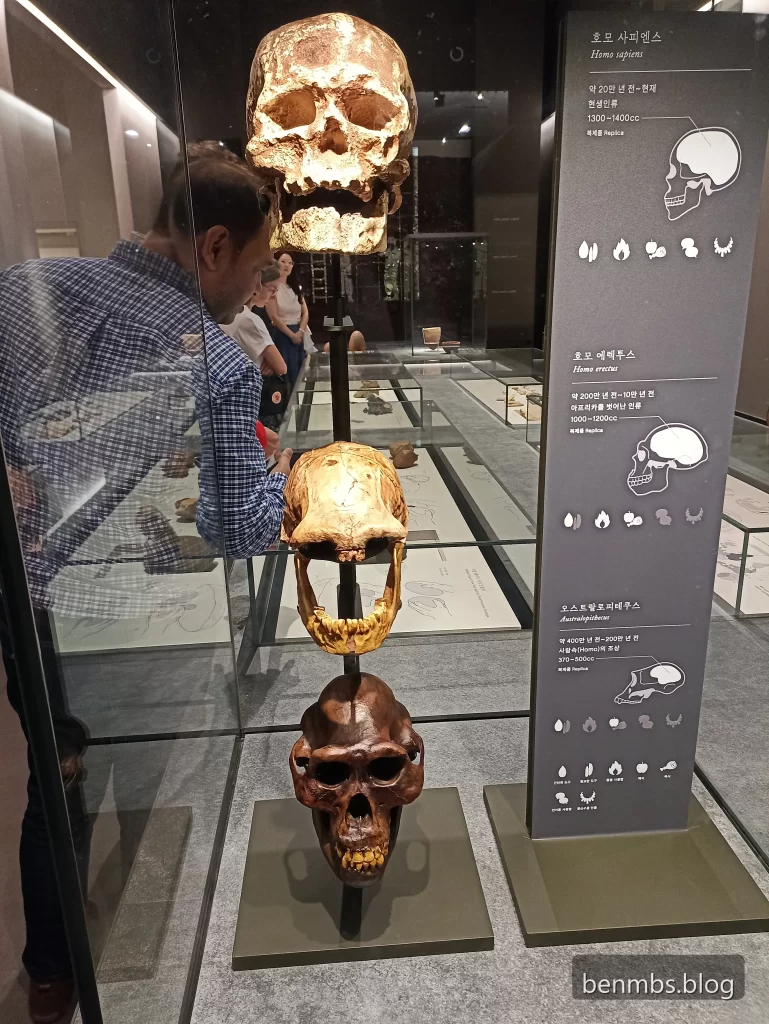
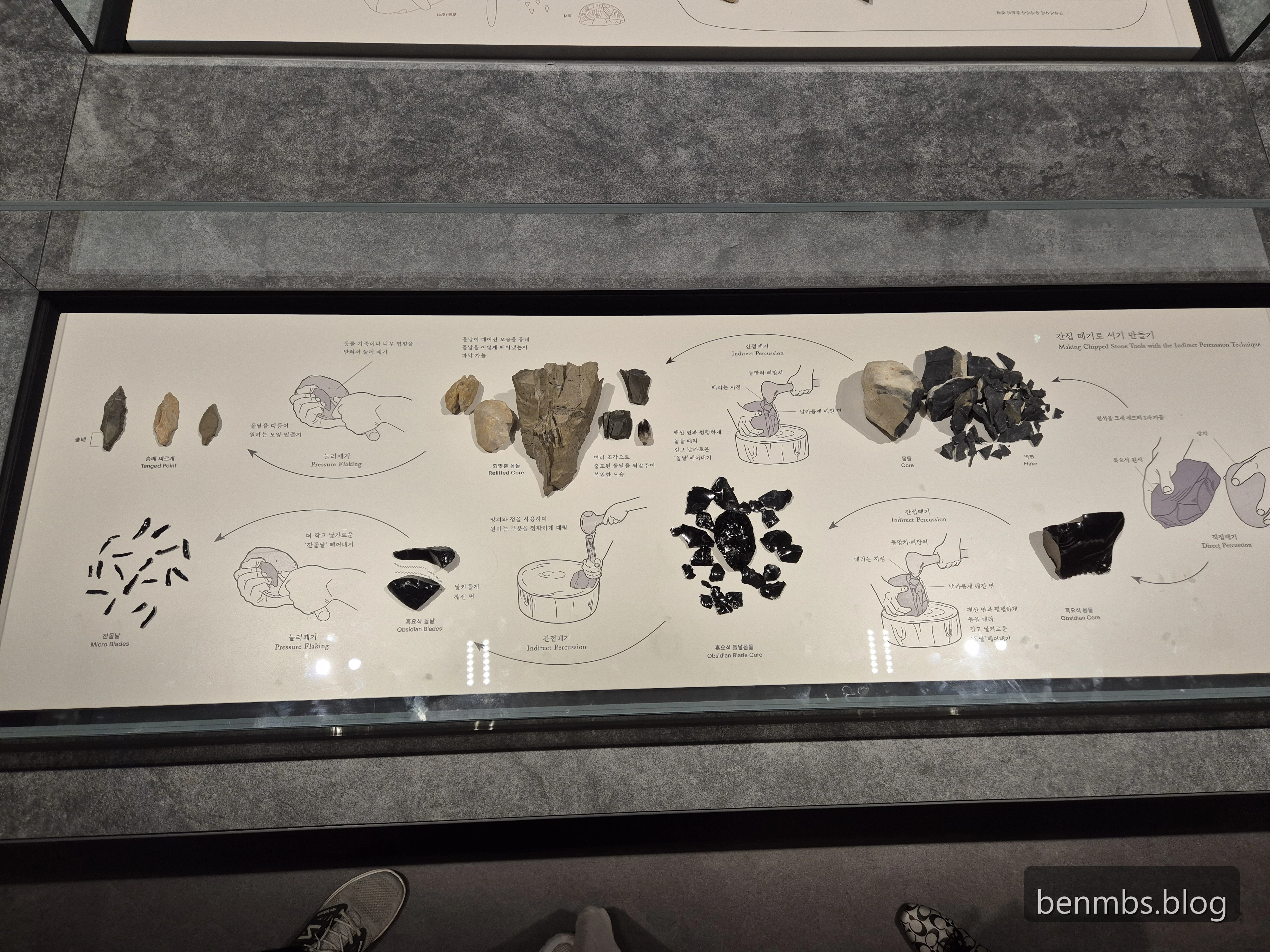
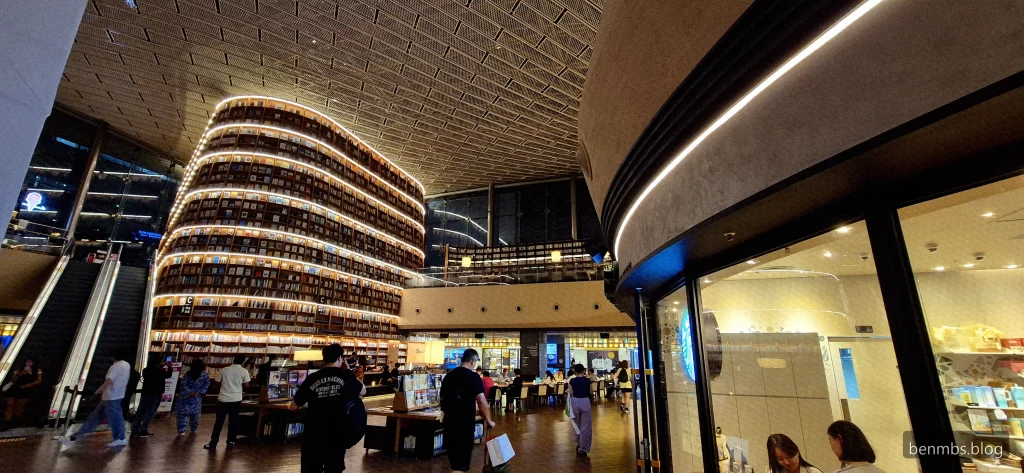
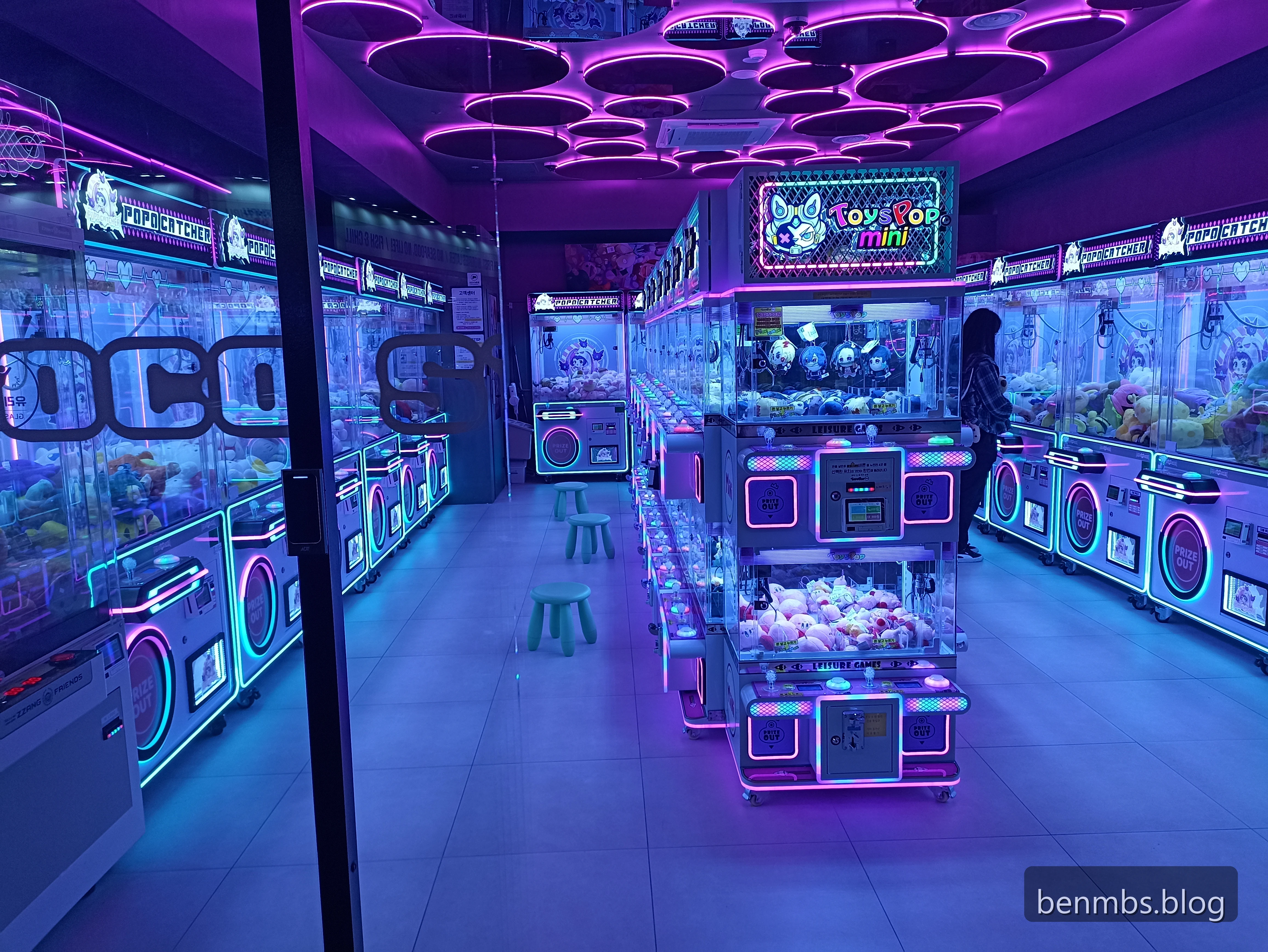
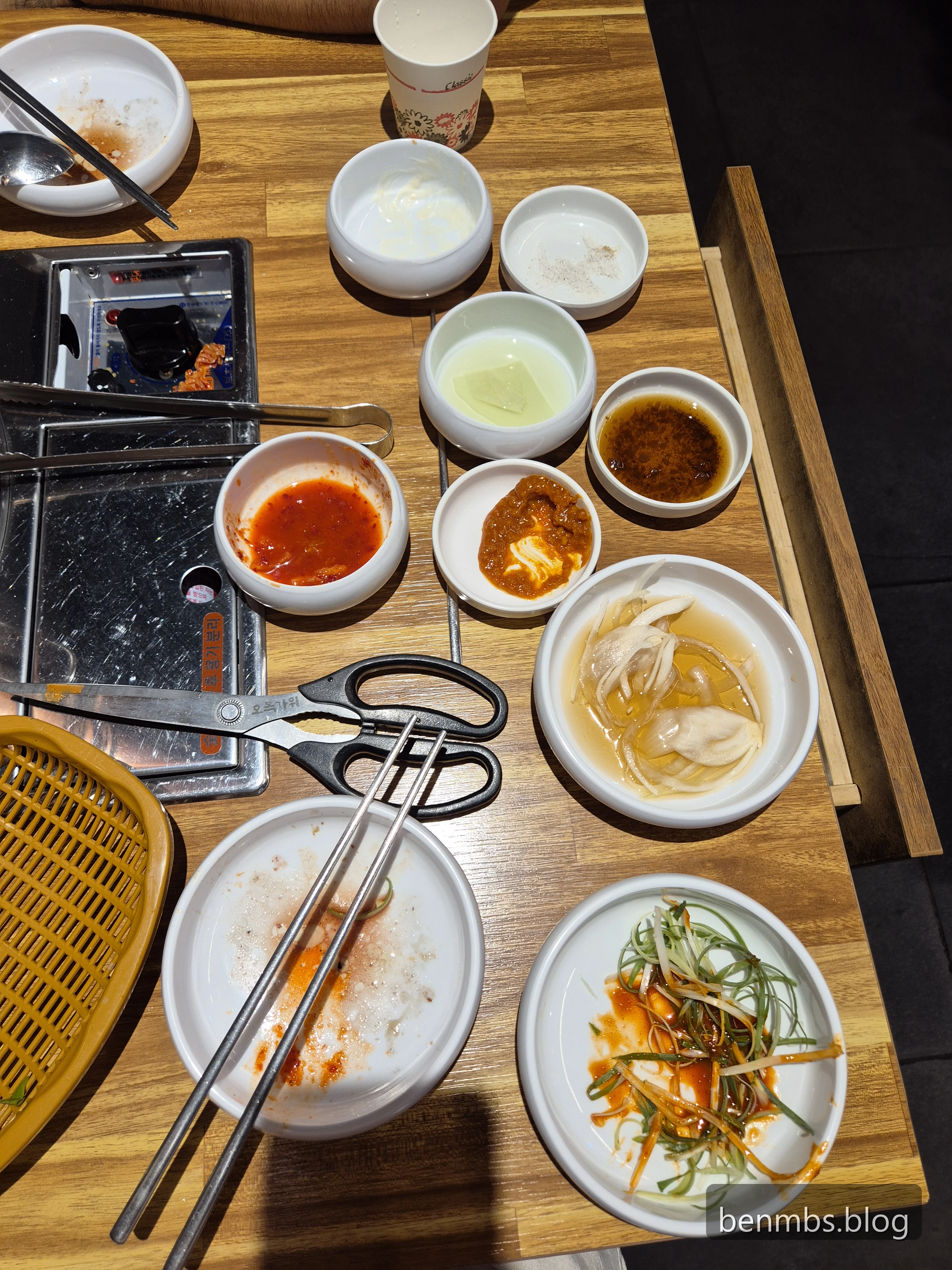
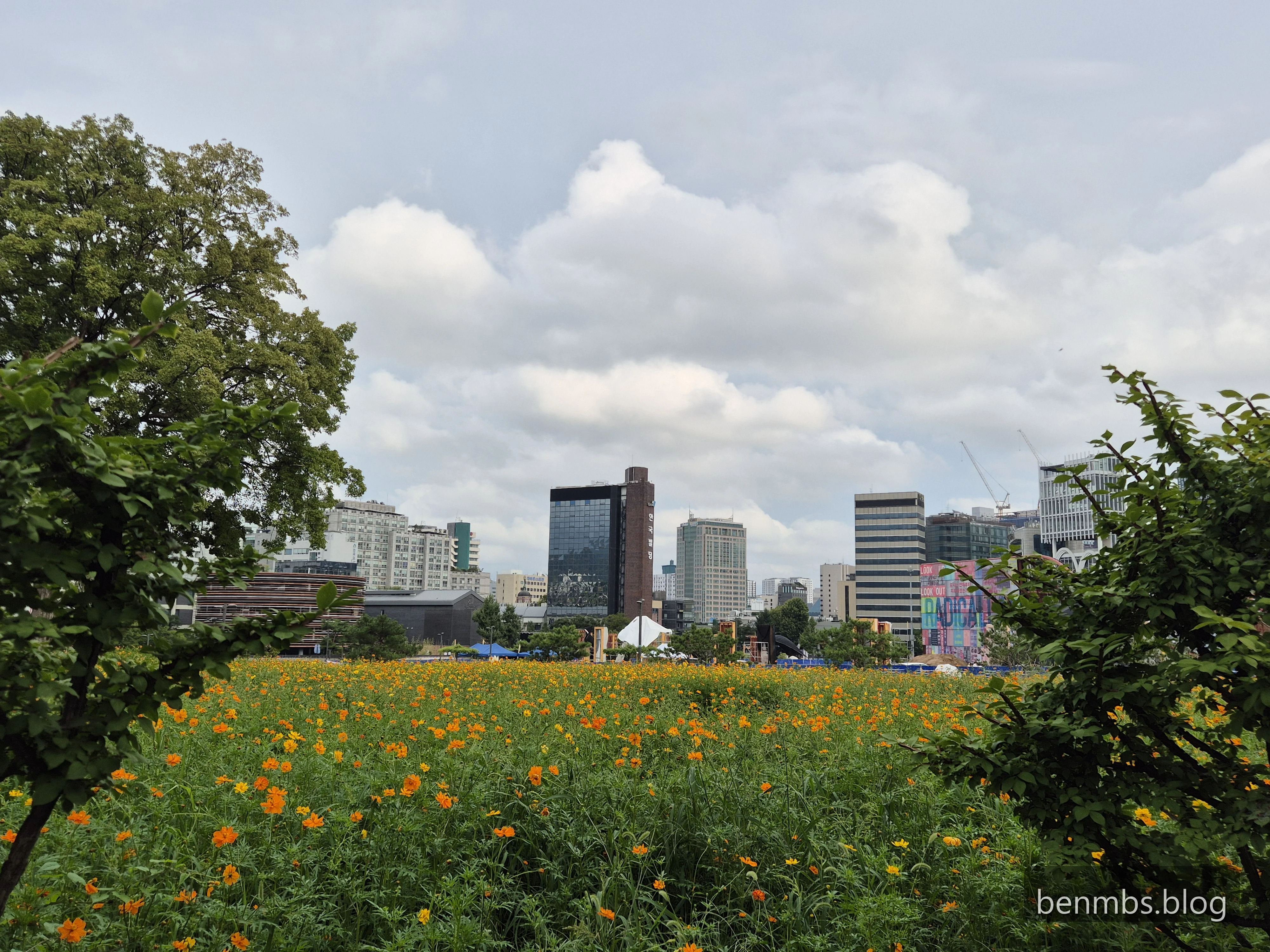
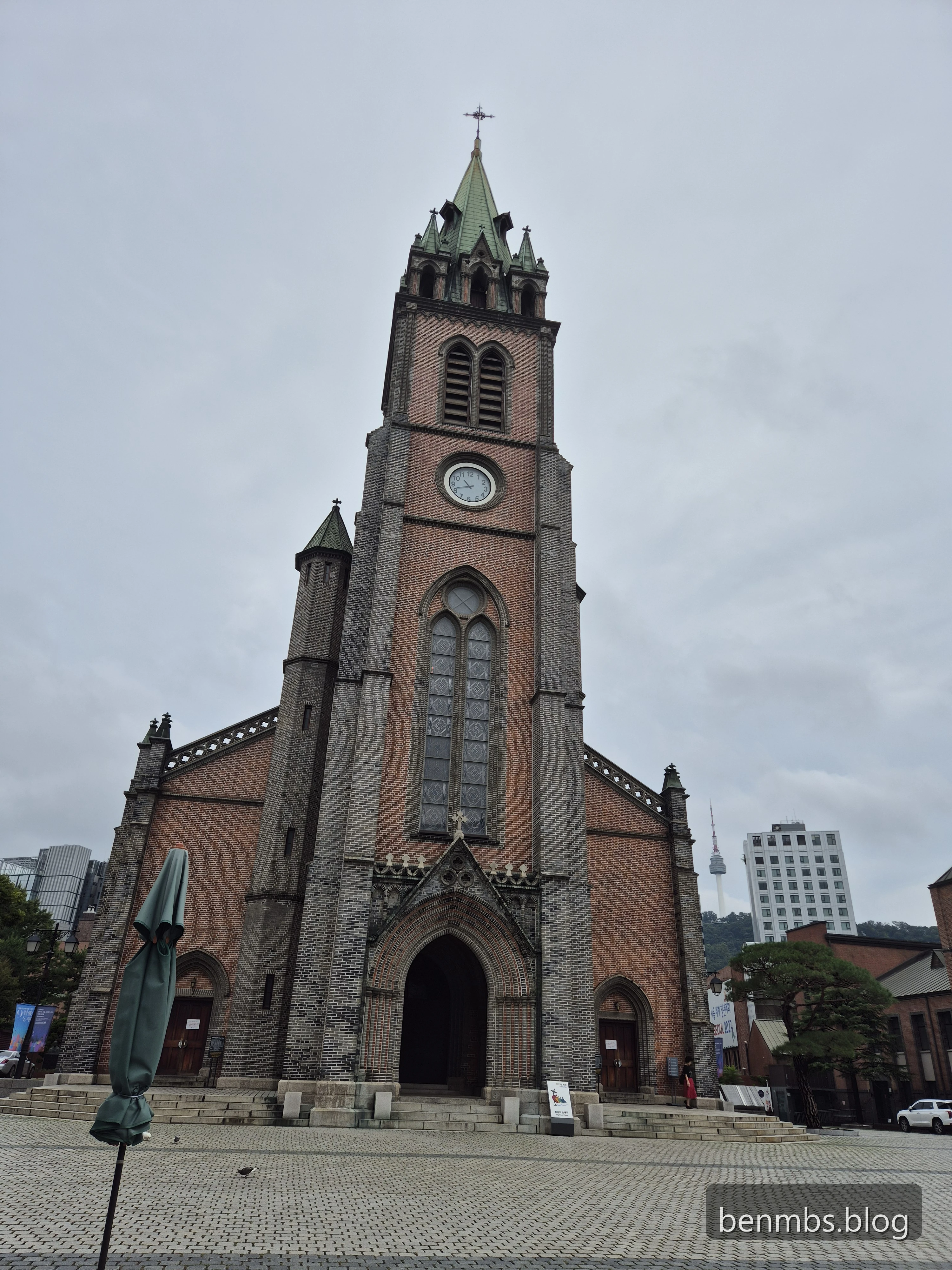
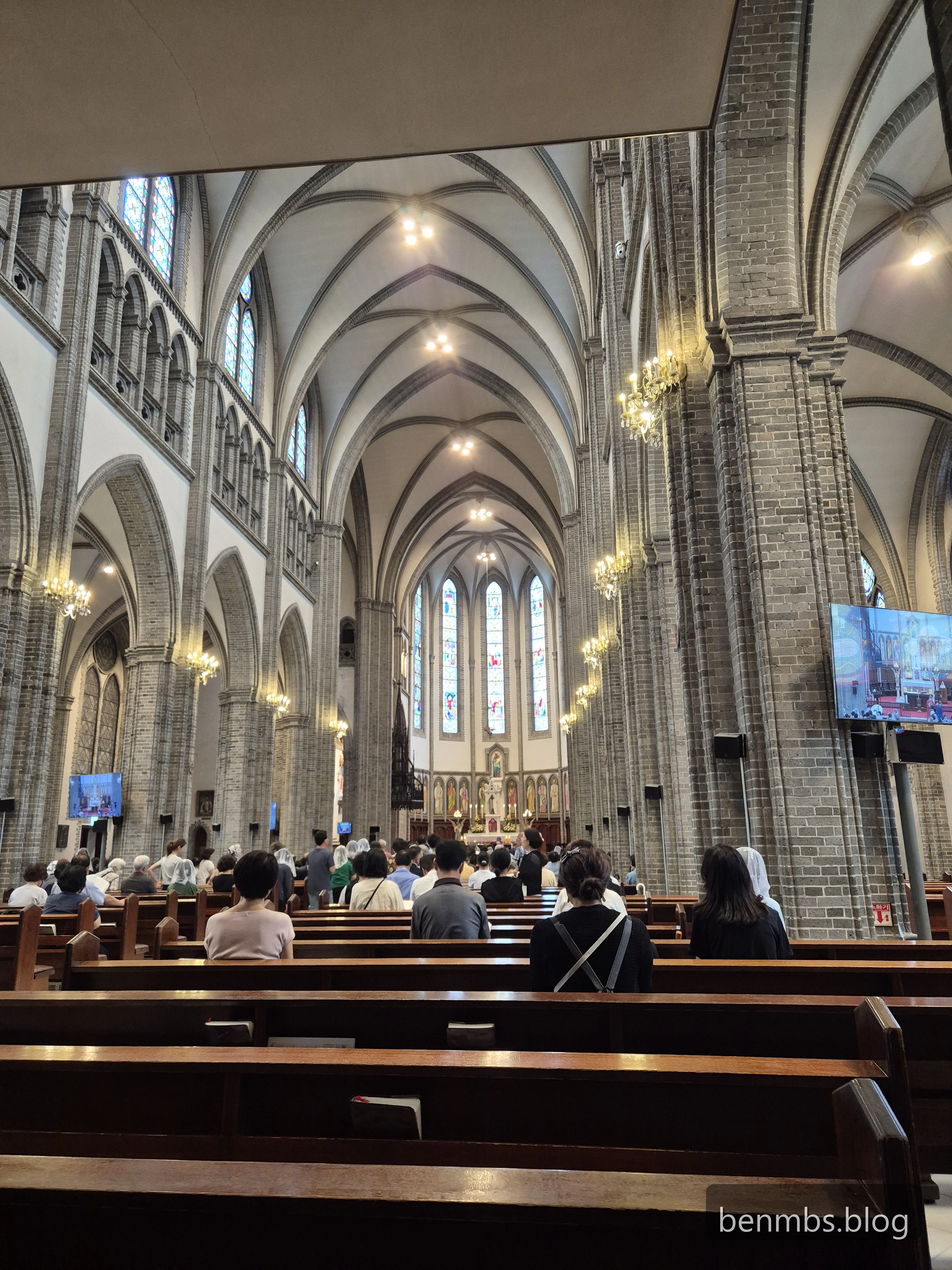
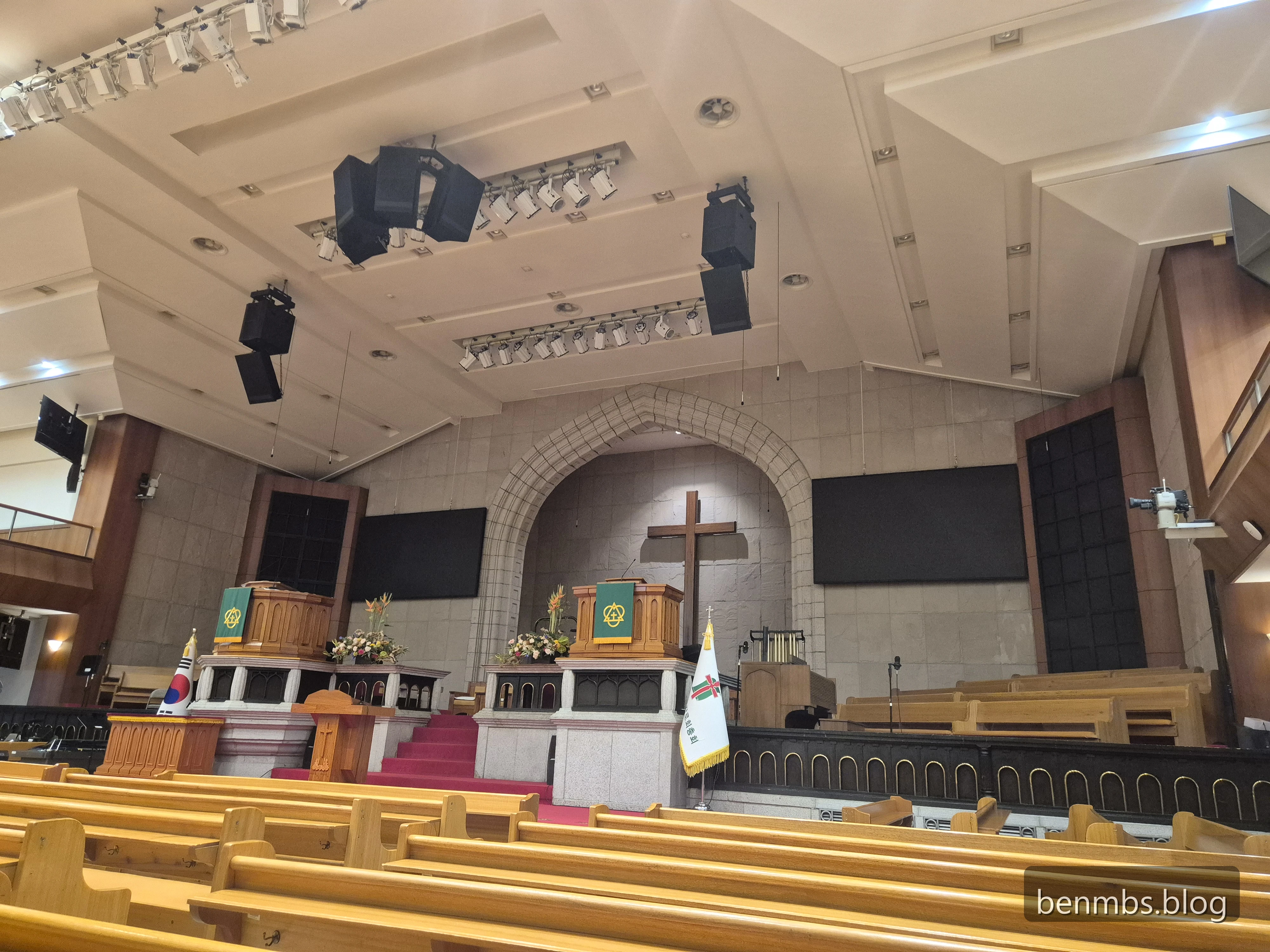
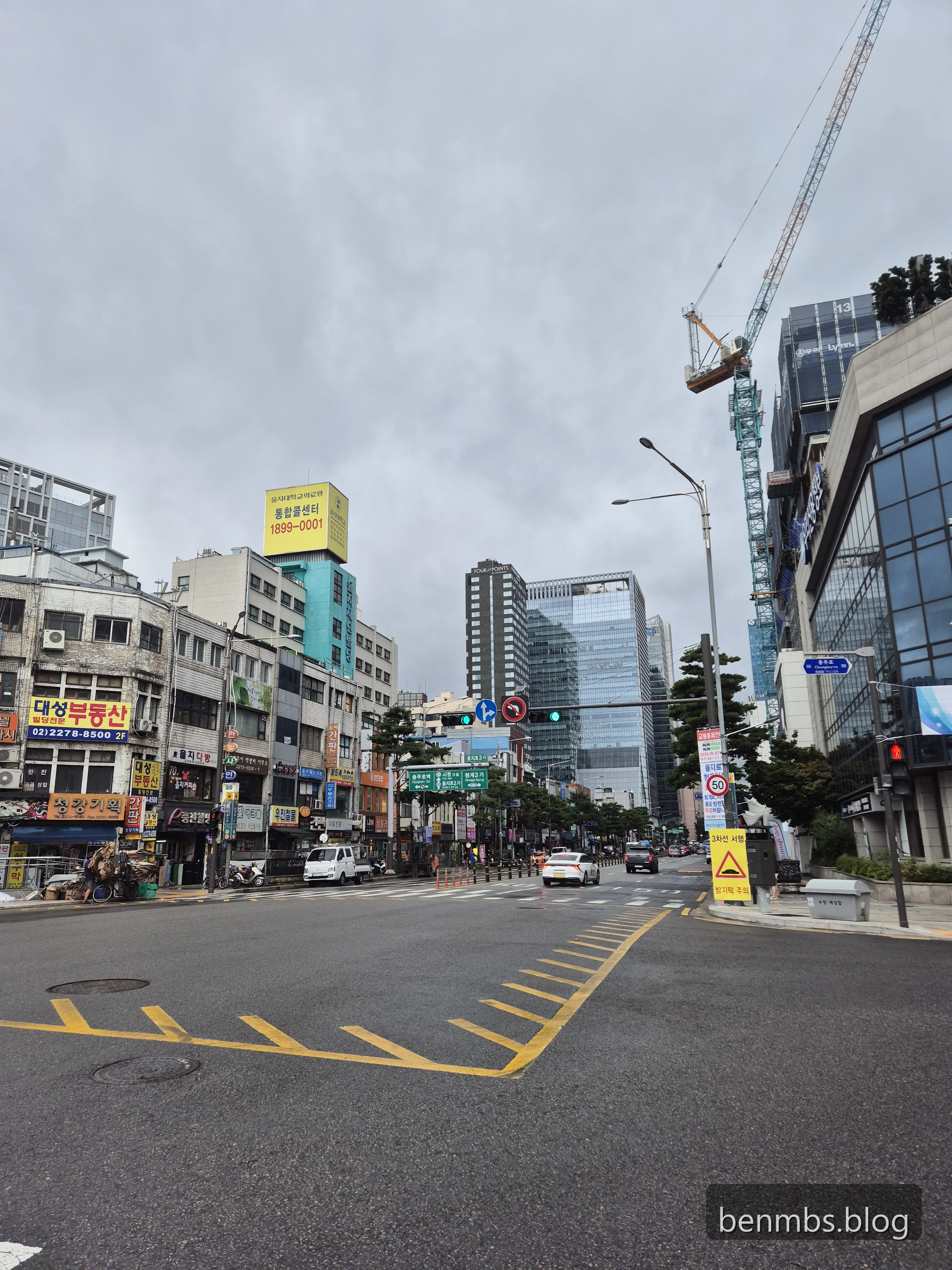
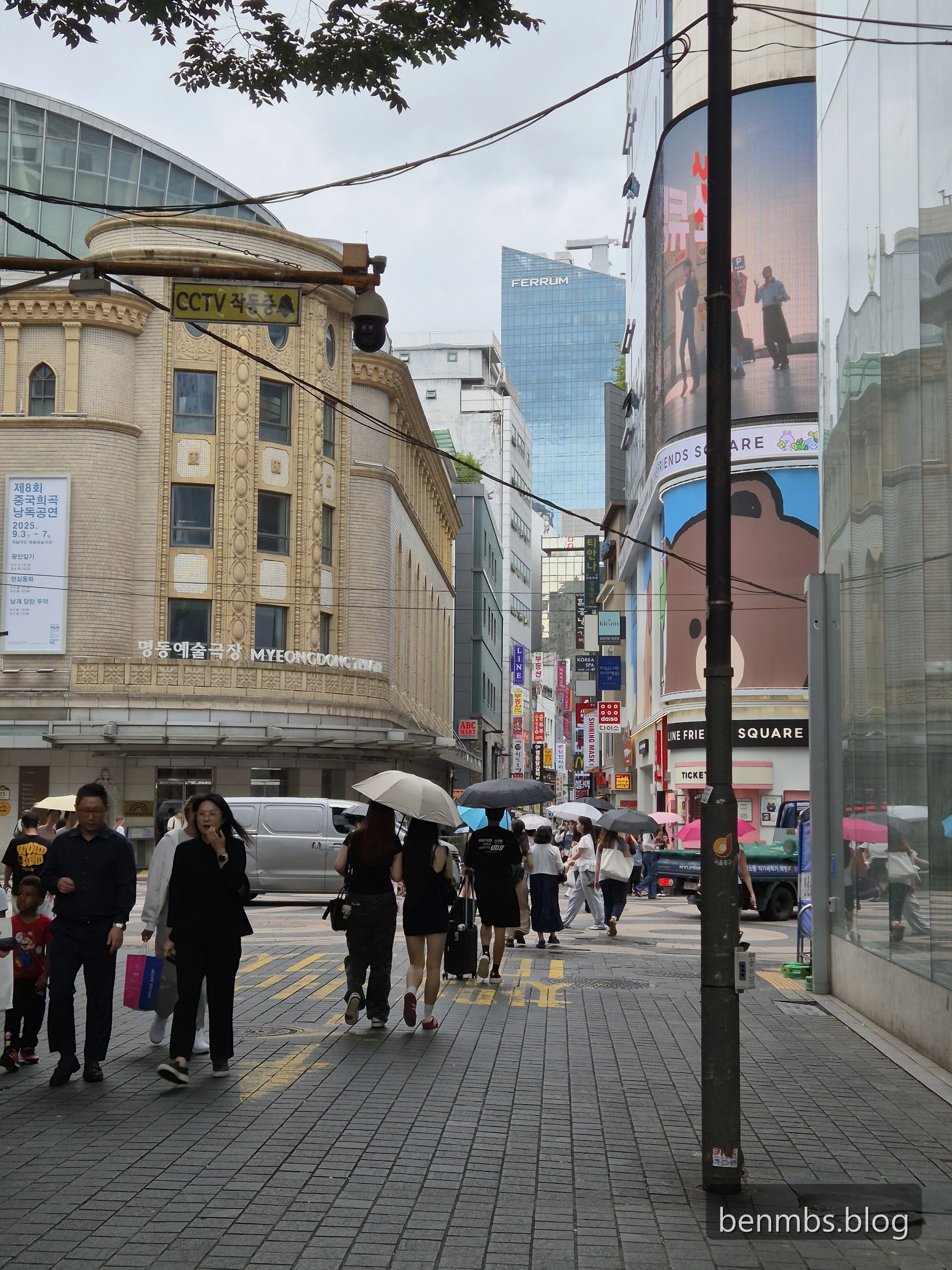
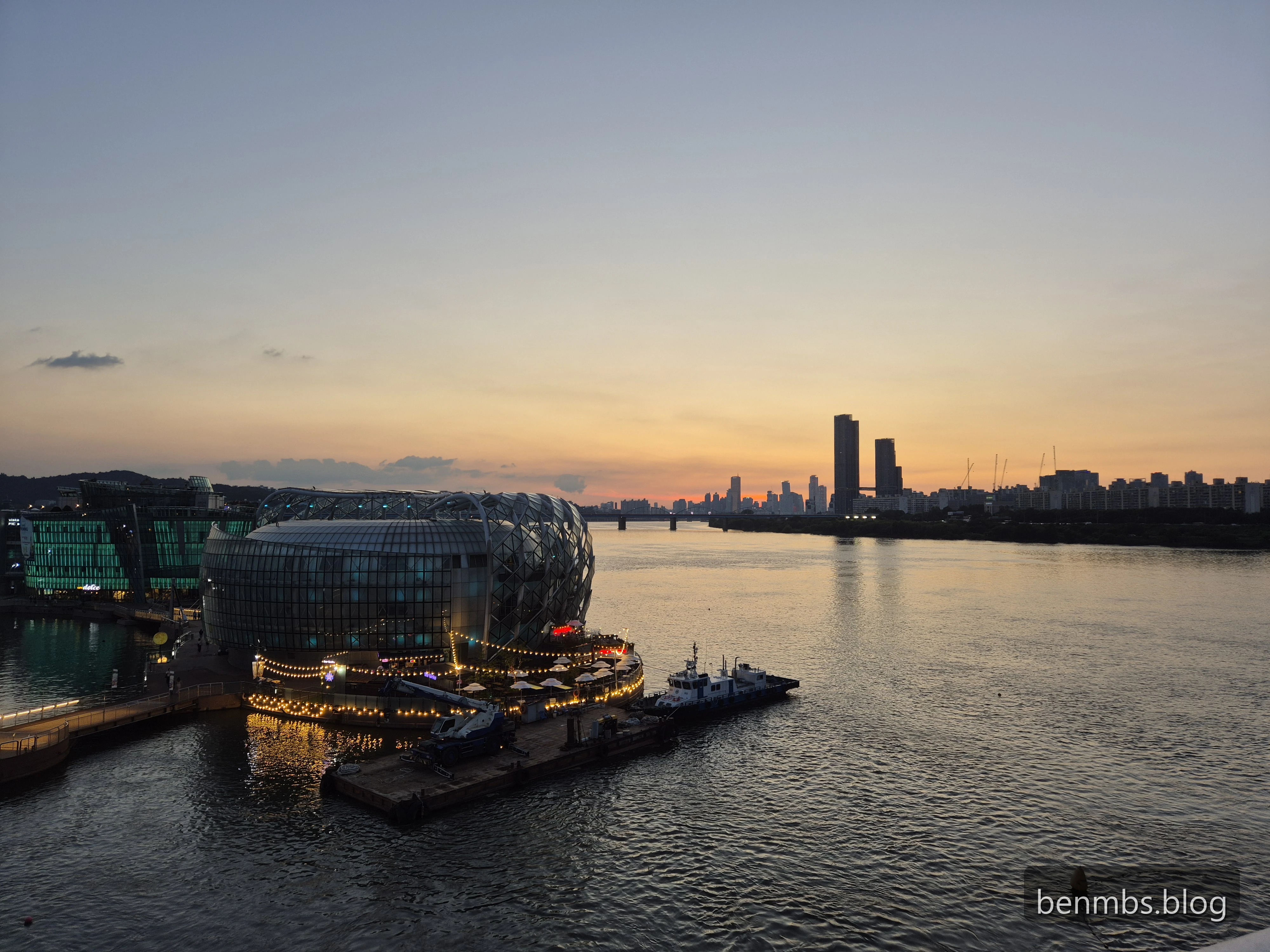
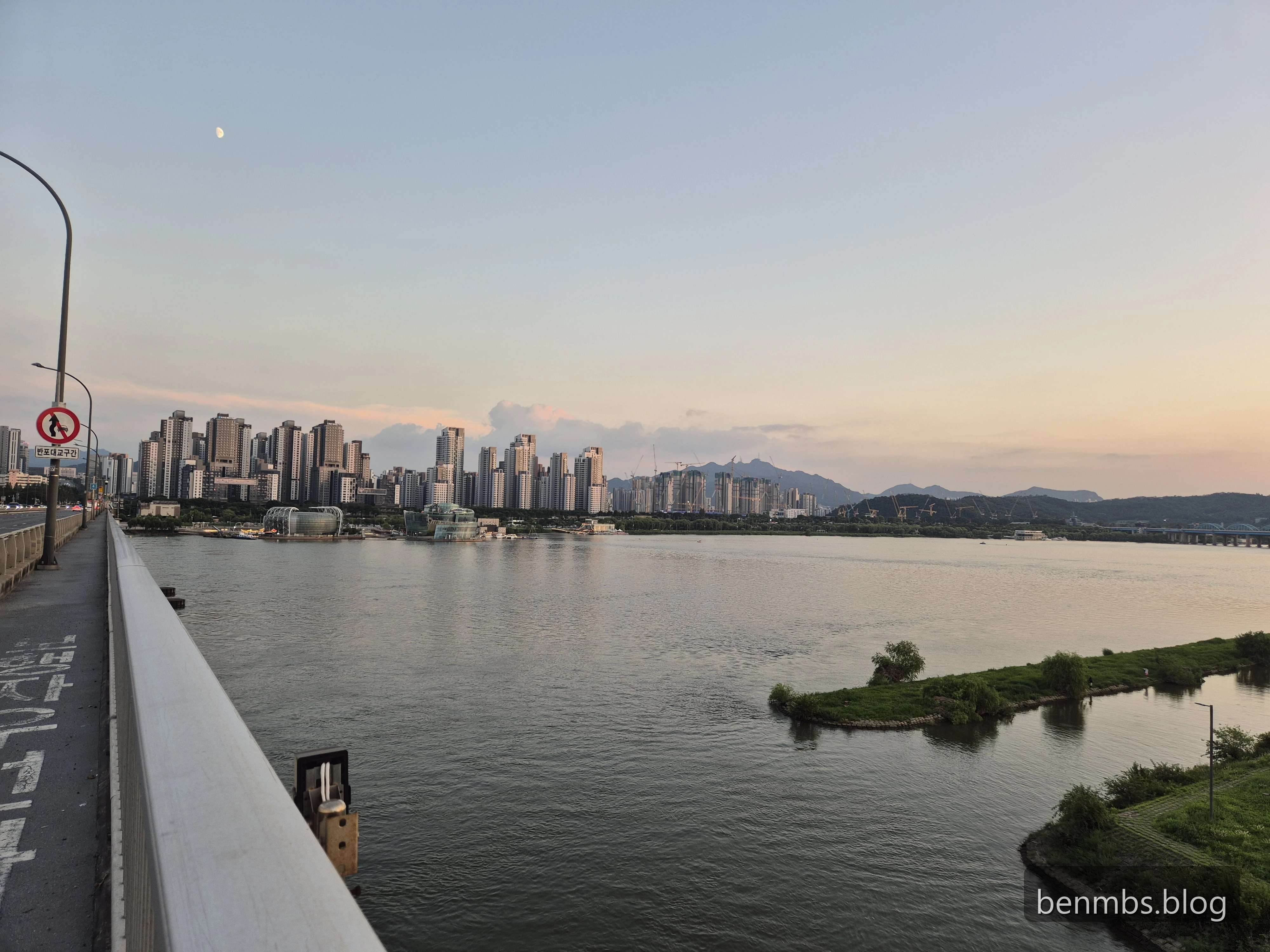
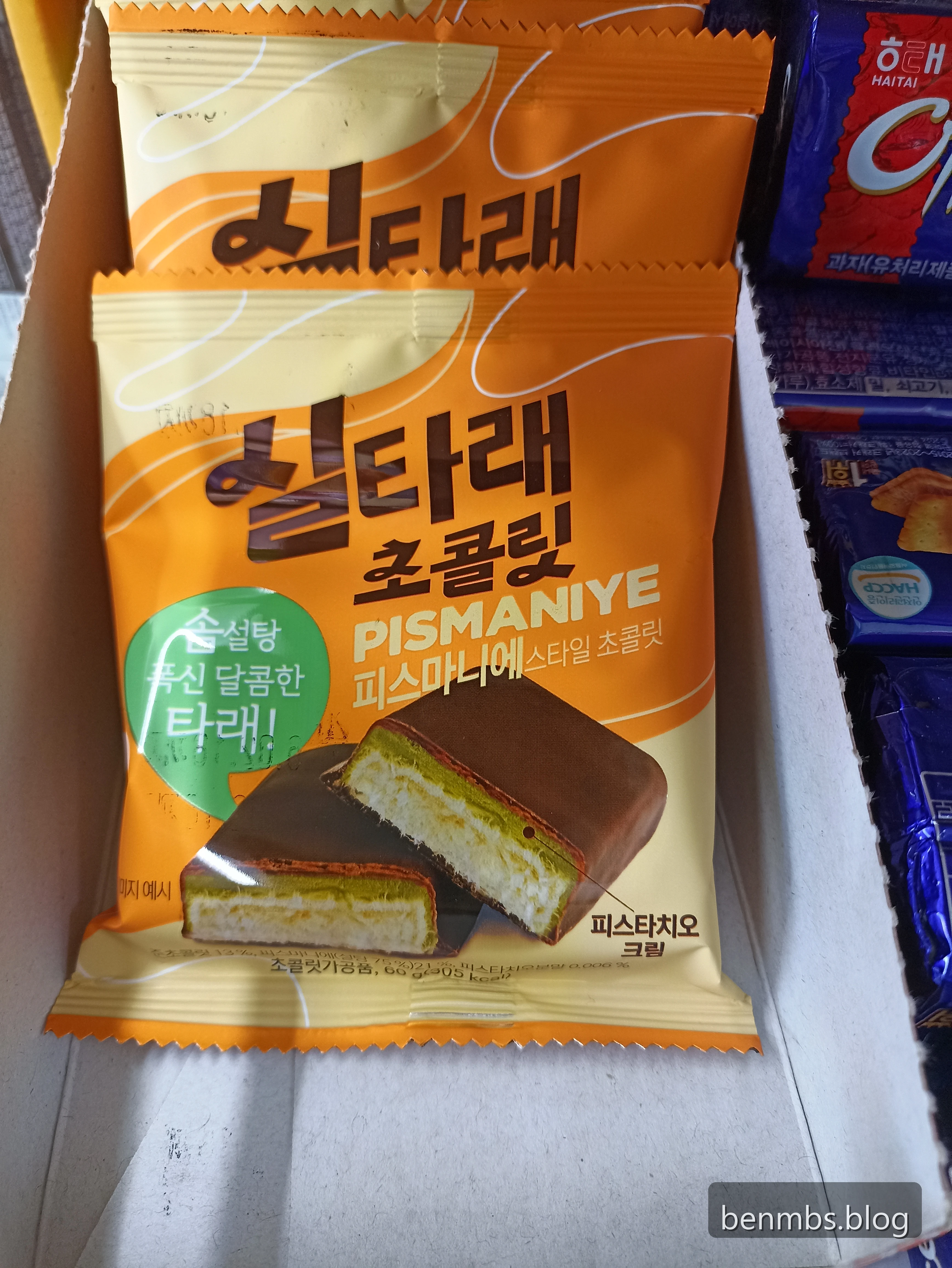
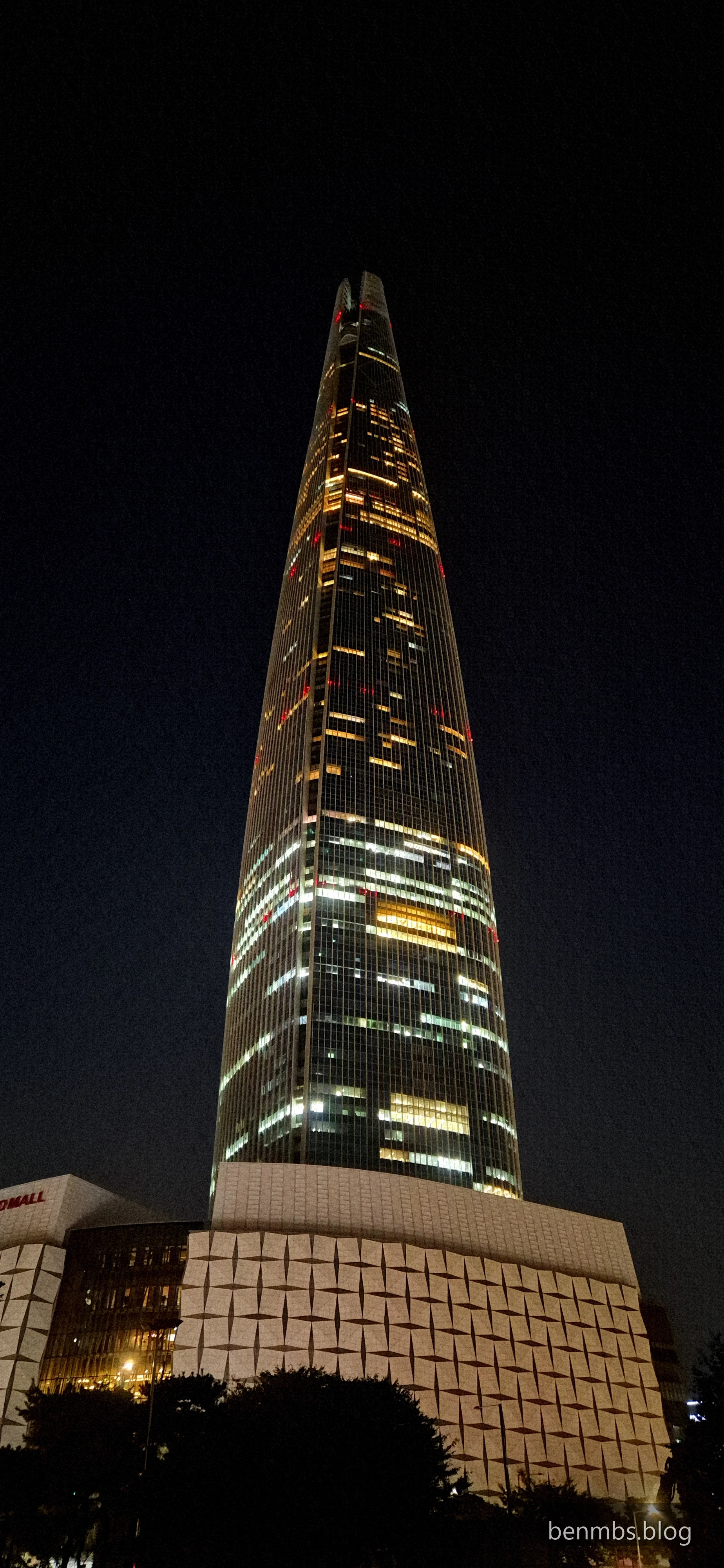
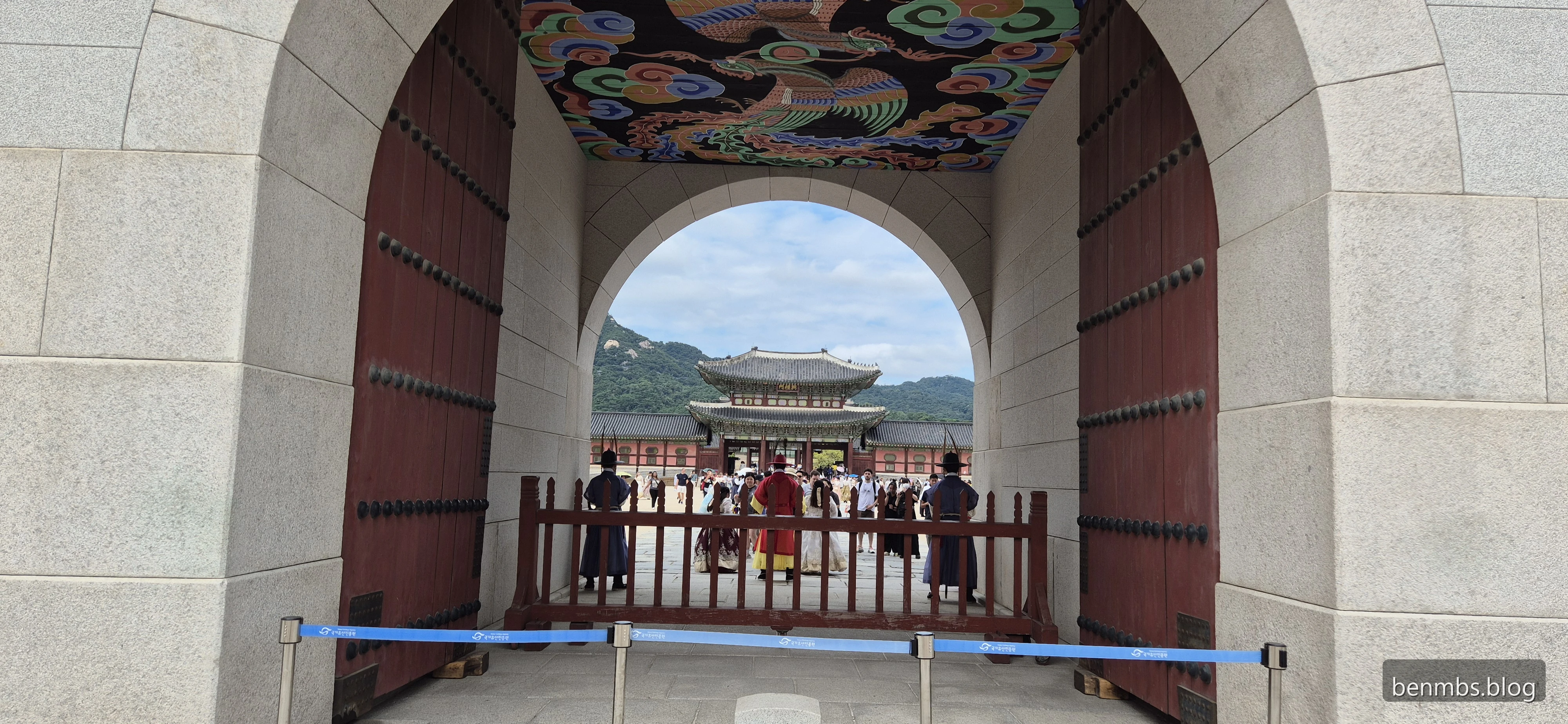
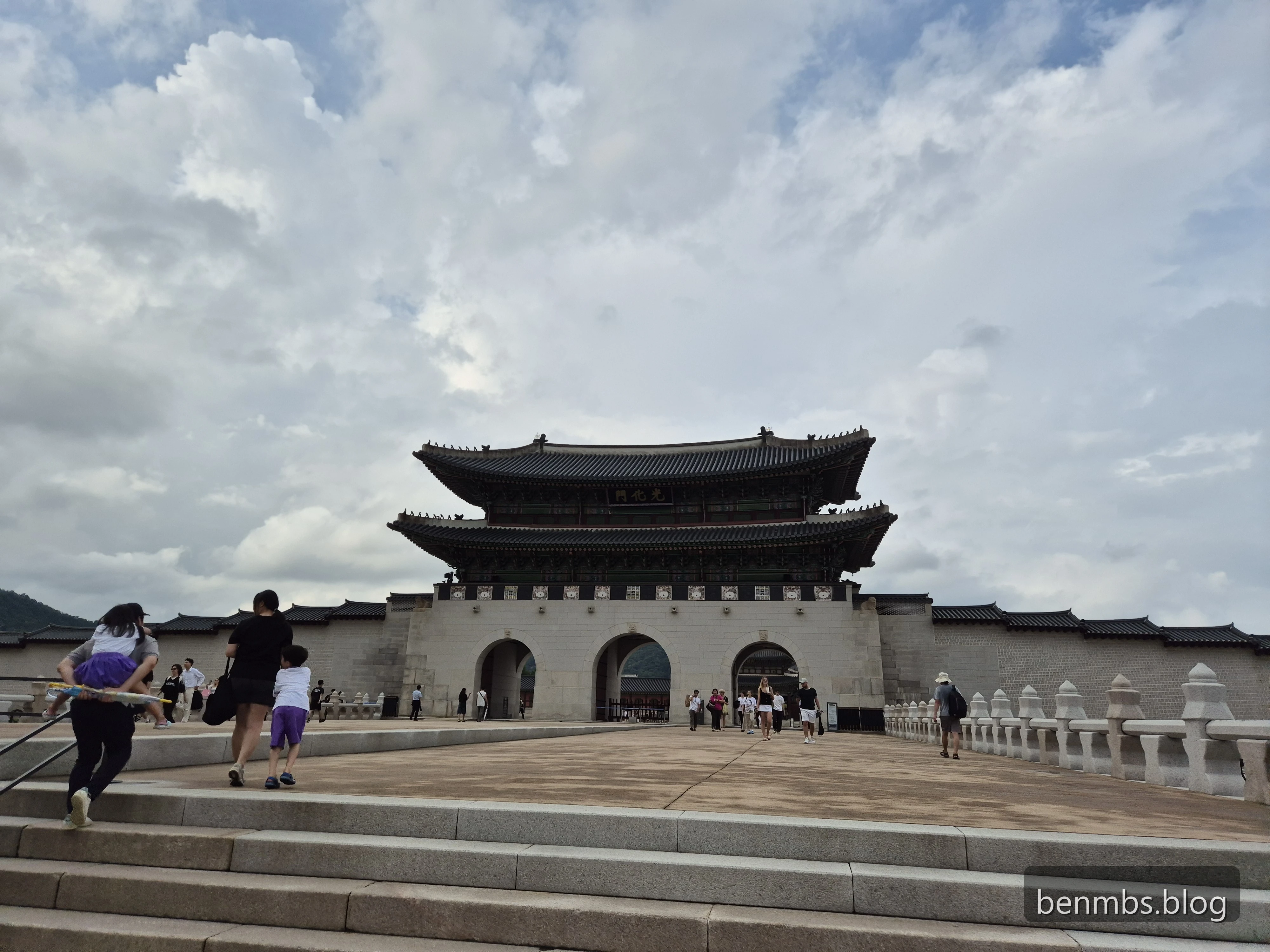
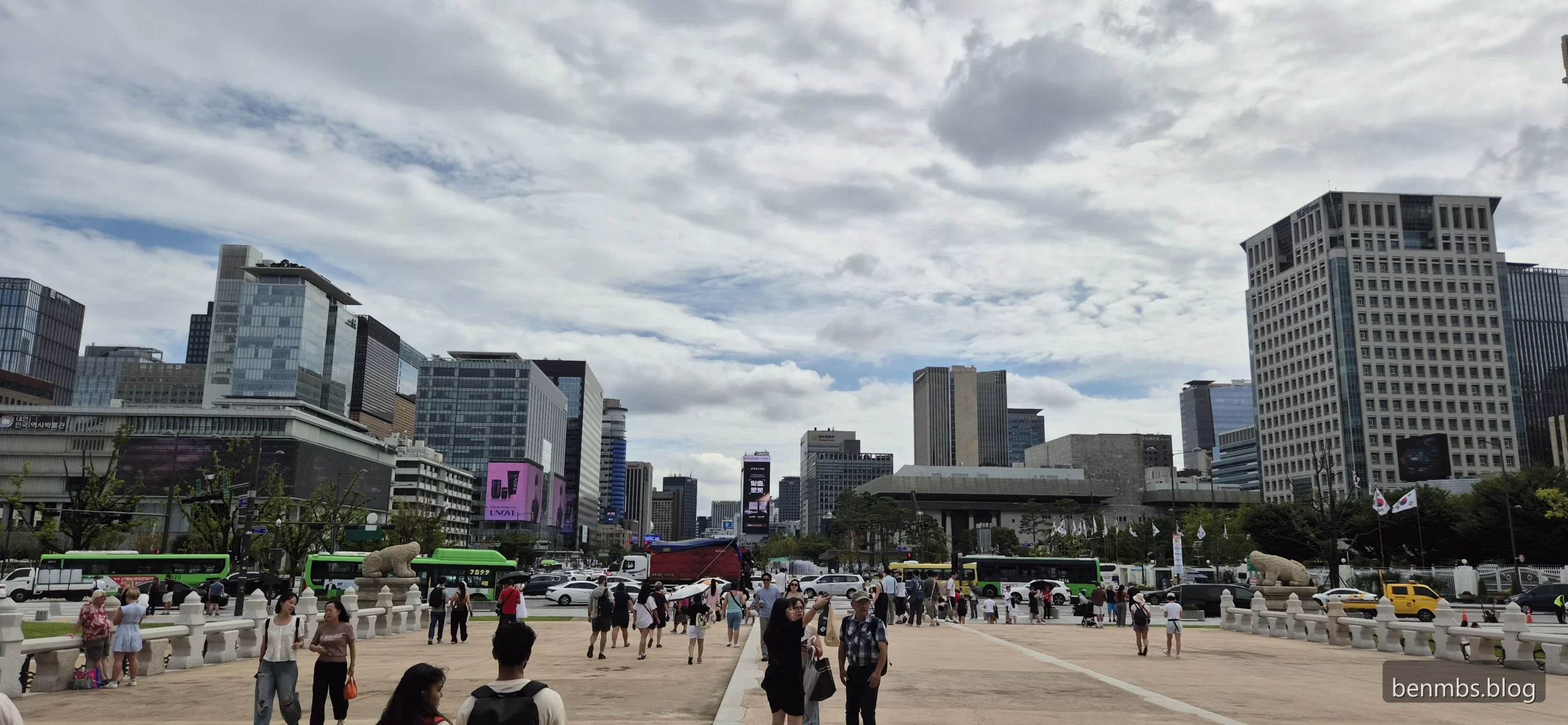
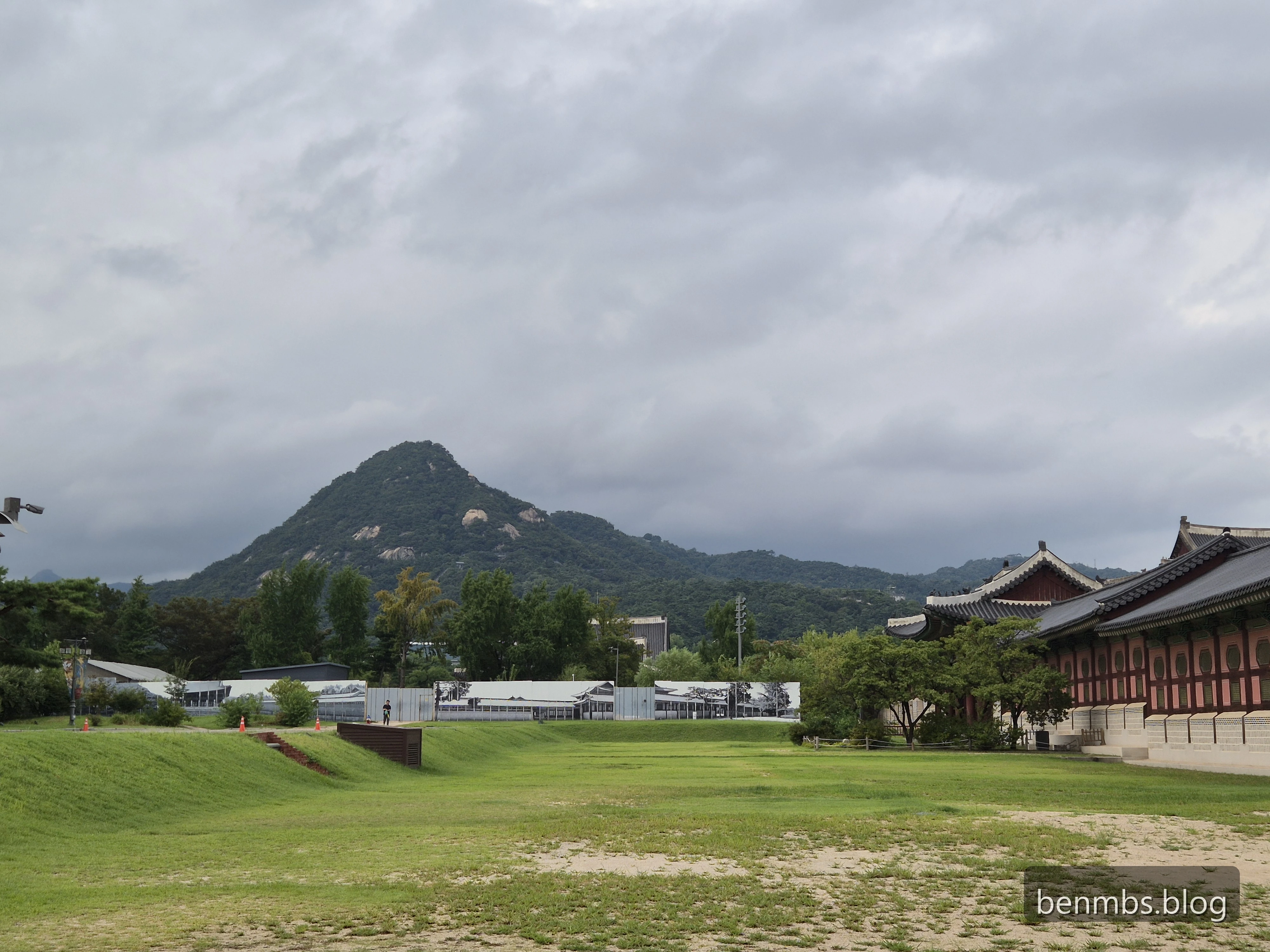
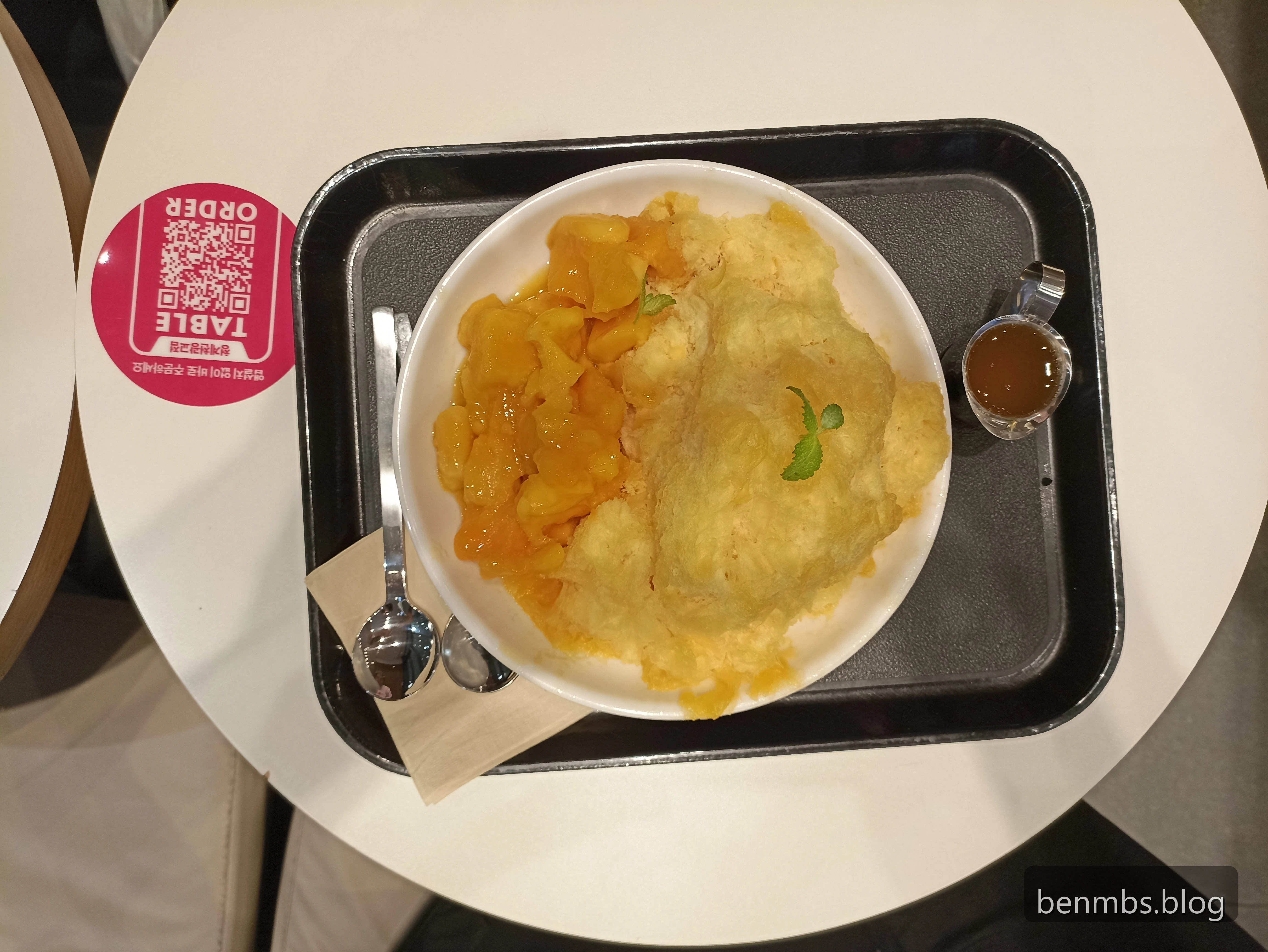
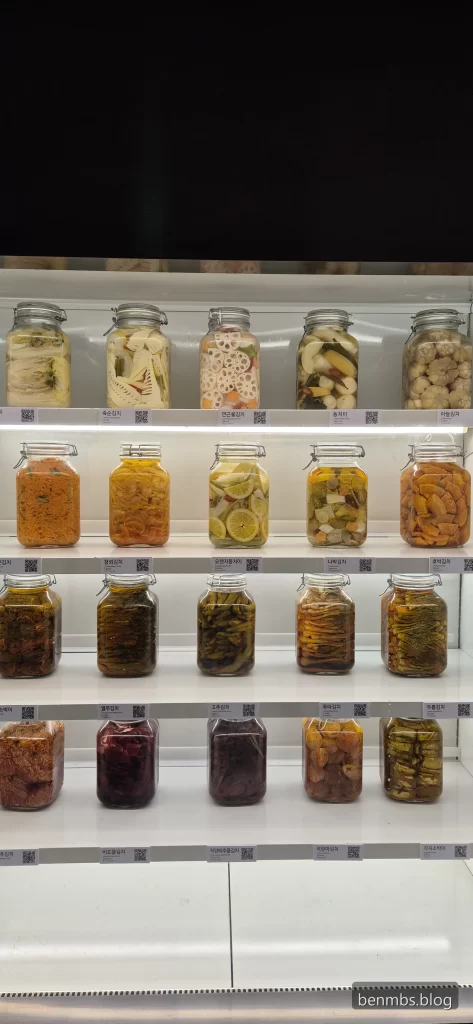
References
- A Cultural Autopsy Attempt on Japan, or Travel Diary 1: Introduction and Osaka ↩
- Seoul (Wikipedia) ↩
- Istanbul (Wikipedia) ↩
- instagram.com — koredebir.dishekimi ↩
- Dentists of the World, Unite! ↩
- İsmet Özel, "The Lines Behind the Last Photograph I Had Taken While Smiling at My Executioner" ↩
Don't miss new posts
Join the email list and hear about new writing as it lands.
Related posts
Freelance Dentists and Some Problems of Dentistry, with Proposed Solutions
I asked Grok to draw something representing the communication network of dentists. This is what it drew. In this piece, I'll try to lay out some observations about problems faced by freelance dentists, and offer some suggestions for solving them…
Dentists of the World, Unite!
The other day, while reflecting on the sorry fate of dentists, I came across a piece by Dr. Davut Torlak of the Social Dentists' Collective…
Exams, Plans, Realities: A Note to the Dream-Doctors Caught Between the Dental Specialty Exam and General Practice — Or, the Lines Behind the Last Photograph I Had Taken While Smiling at My Executioner
In the piece I wrote recently about the flow of time [The Man Whose Capital Is Melting Away], I mentioned I'd be sitting an exam. I sat it fifteen days ago, friends. The result? I failed. See: “We Didn't Make It, Boss”…
Comments (0)
Be the first to comment.